
by Karen Appold
Bones constantly change — old bone breaks down and new bone forms. As a younger person, your body makes new bone faster than old bone deterioriates; your bone mass actually increases until you’re about 30 years old. Consequently, your bones get larger and stronger. After age 30 your bones still rejuvenate, however you lose more bone mass than you gain.
When you hit age 50, bone loss occurs more rapidly. For women, hormonal changes related to menopause (particularly lower estrogen levels) may increase bone mass significantly. With less bone mass comes brittle bones and potentially osteoporosis.
The keys to bone health
Calcium is the building block of new bone, but because your body doesn’t produce it, you need to rely on the foods you eat and possibly supplementation. Keep in mind that the body can absorb more calcium from food than supplements.
Women ages 19 to 50 and men ages 19 to 70 should intake 1,000 milligrams (mg) of calcium a day per, which is the recommended dietary allowance (RDA). Women over age 50 and men over age 70 need 1,200 mg a day. If you don’t get enough calcium, your body will take if from your bones where it’s stored.
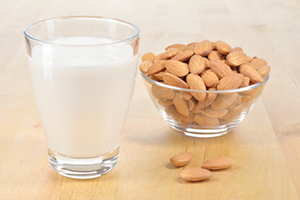
Good sources of calcium include dairy products; beans; almonds; sesame seeds; oranges; vegetables and leafy greens; salmon; sardines; soy products; herbs and spices such as cinnamon, basil and thyme; and calcium-fortified foods such as cereals and orange juice.
Other important nutrients
In addition to calcium, you need adequate levels of vitamin D in order to absorb calcium from the kidneys and intestines. Otherwise, calcium will exit your body as waste.
The RDA for vitamin D is 600 international units (IUs) per day for adults ages 19 to 70 and 800 IUs for adults older than age 71. Good food sources of this vitamin include sardines, tuna, fortified milk, and egg yolks. In addition, sunshine helps your body produce vitamin D. Supplements are also an option if necessary.
Because half of the body’s magnesium resides in bone, some experts believe that this mineral is just as crucial for bone density as calcium. It can help to activate vitamin D. As you age, your body absorbs less magnesium and excretes more, so supplementation may also be a wise choice in this scenario.
In addition, some believe that vitamin K, found in leafy greens, is important toward bone health as it regulates bone metabolism.
Be active
Besides getting enough nutrients, you can help keep your bones strong by doing weight-bearing exercises such as walking, playing tennis, and climbing stairs. Avoid smoking and drinking more than two alcoholic beverages per day.
Karen Appold is a medical writer in Lehigh Valley, Pennsylvania.
Related Posts
 Whole body vibration may do muscles, bones good
- George Curry named Fellow in the Palmer Academy of Chiropractic
- ‘Prescribing’ supplements and creating your own supplement superstore
- U.S. Included in Research Project on the Development of Human Immune System in Early Life Obtains Multimillion Funding
- Leadership – Part One


