Position your practice as a leader in comprehensive, whole-person wellness by adopting an integrated, evidence-based model blending performance and rehabilitation, advanced manual therapies and innovative modalities, such as high-intensity laser therapy, nervous system regulation and peptide therapy.
 Position your practice as a leader in comprehensive, whole-person wellness by adopting an integrated, evidence-based model blending performance and rehabilitation, advanced manual therapies and innovative modalities, such as high-intensity laser therapy, nervous system regulation and peptide therapy.
Rehabilitation, physical therapy and chiropractic treatment are at a pivotal juncture. We are observing a significant transition from discrete methods to a comprehensive, integrated approach to patient wellness and health. This progress involves not merely the adoption of new technology but also an enhanced comprehension of human physiology and the application of evidence-based approaches to provide holistic remedies that tackle both symptoms and their root causes.
For chiropractors, the essential function in spinal health and musculoskeletal alignment is crucial. The contemporary necessity is to broaden our focus, incorporating concepts from physical therapy and adopting novel methods to address the intricate and diverse requirements of today’s patients. This goes beyond the mere addition of instruments; it involves advancing our thought leadership to establish chiropractic treatment as a fundamental component of a genuinely integrated healthcare strategy.
The development of chiropractic and integrated care
The healthcare system, and potentially our profession, has historically operated in silos. Individuals experiencing musculoskeletal pain may seek consultation from a chiropractor for adjustments, a physical therapist for exercise regimens and a medical specialist for pharmacological interventions. While each professional offers vital expertise, the disparity among these approaches can impede optimal outcomes, especially for chronic conditions. The “Exercise as Medicine” paradigm advocates for a more integrated approach to patient care. One comprehensive review asserted that exercise is fundamental in the primary prevention and management of several chronic illnesses. This is not an innovative concept; it is a reaffirmation that physical activity is a human necessity and an effective therapeutic modality.
Chiropractic practices are optimally positioned to endorse this holistic approach. By integrating principles of physical therapy, practitioners can enhance their ability to manage patients comprehensively, addressing not only biomechanical dysfunction but also broader physiological and functional deficiencies that contribute to pain and disability. This integrated paradigm is crucial for maintaining leadership in patient care, providing comprehensive, evidence-based solutions that consider a patient’s entire movement and wellness trajectory beyond the chiropractic adjustment.
integrated approach of performance and rehabilitation: Closing the divide
Integrating performance and rehabilitation within chiropractic care means you recognize that patients, whether athletes or individuals seeking an improved quality of life, have goals beyond pain relief. Their objectives include restoring optimal functionality, whether it involves lifting grandchildren, completing a marathon or living without limitations. Serving these patients requires a therapeutic approach linking immediate intervention with sustained functional recovery.
The comprehensive analysis highlighted that exercise functions as a therapeutic intervention for many illnesses, not just general fitness. This includes musculoskeletal conditions, such as back pain, osteoarthritis and osteoporosis, as well as systemic health problems, such as depression, anxiety, Parkinson’s disease, obesity and cardiovascular issues. Exercise, especially a blend of resistance training, balancing exercises and weight-bearing activities, is essential for enhancing bone mineral density and mitigating the risk of falls and fractures in individuals with osteoporosis. Incorporating these activities enhances patients’ bone health and diminishes fracture risk, supplementing manual therapy and lifestyle recommendations.
Tailored, supervised exercise is a cornerstone of chiropractic care because it delivers direct musculoskeletal benefits, while also improving mental health, metabolic function and cardiovascular health. Personalized programs empower self-management, prevent reinjury and build long-term resilience, aligning with patient-centered chiropractic principles. An emerging clinic‑gym hybrid model, integrating on-site gym facilities, personal trainers or athletic trainers, smoothly transitions patients from acute care (adjustments, pain management) to ongoing performance and wellness training, improving outcomes (e.g., chronic low‑back pain, joint stability), patient retention and practice revenue. This collaborative, multidisciplinary approach bridges rehabilitation and functional fitness in one location, but practices must ensure state-specific delegation and scope-of-practice compliance when adding other allied professionals.
Complementary modalities
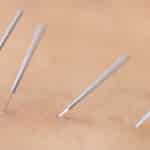
In contemporary chiropractic practice, numerous advanced techniques can be integrated with physical therapy to enhance outcomes by alleviating pain, promoting tissue repair and optimizing neuromuscular function. Dry needling employs fine filiform needles to target myofascial trigger points and dysfunctional soft tissues, thereby assisting in the reduction of pain and disability, restoring range of motion and normalizing muscle activation through local mechanisms (such as improved circulation, altered inflammatory chemistry and mechanotransduction) and central mechanisms (including modulation of nociceptive pathways, endogenous analgesia and autonomic regulation). Electrical dry needling may augment these effects further., High-intensity laser therapy (HILT) provides a more profound photothermal and photobiomodulation stimulus that facilitates tissue healing, enhances blood flow to the targeted area, reduces inflammatory mediators, increases flexibility and has demonstrated efficacy in alleviating musculoskeletal pain and improving cervical range of motion safely.,, Photobiomodulation, also known as red and near-infrared light therapy, synergizes effectively with manual therapy and exercise by enhancing mitochondrial adenosine triphosphate (ATP) synthesis, improving microcirculation, modulating oxidative stress and facilitating tissue repair. Additionally, it demonstrates potential benefits for the nervous system and overall health., When employed in conjunction with spinal manipulation, soft-tissue mobilization and targeted exercise, these methods constitute a multimodal, evidence-based approach that can accelerate healing, enhance functional recovery and increase patient satisfaction.
Peptide therapy: Encouraging preclinical findings, prudence in application
Peptide therapy is an emerging modality in regenerative medicine and sports performance that has attracted interest across rehabilitation, physical therapy and chiropractic care due to promising preclinical data on tissue repair and recovery. Peptides are naturally occurring signaling molecules that bind to cell receptors and influence processes, such as tendon, ligament and muscle healing; key examples include BPC-157 and TB-500, which in animal and in vitro studies appear to support fibroblast activity, collagen synthesis, angiogenesis, tissue regeneration and anti-inflammatory effects, along with collagen peptides that have more established supplemental roles in connective tissue and tendon health, and thymosin alpha 1, which modulates immune function. However, most supportive evidence remains preclinical, with a substantial lack of rigorous, controlled human trials, unclear optimal dosing and limited long-term safety data. Many injectable peptides are unregulated, easily purchased online and sometimes marketed as “supplements,” raising concerns about variable quality, undocumented side effects (e.g., local reactions, altered insulin sensitivity, fluid retention) and potential doping violations, as highlighted by BPC-157’s ban by the World Anti-Doping Agency. Current best practices for chiropractors suggest emphasizing established evidence-based interventions and monitoring emerging research before integrating peptides into standard clinical care.
Final thoughts on integrated approach to patient wellness and health
The trends shaping rehabilitation, physical therapy and chiropractic care underscore a prominent narrative: The future of our profession lies in holistic, integrated care employing a diverse array of evidence-based modalities. By combining our fundamental expertise in spinal health with principles of performance and rehabilitation, along with advanced manual therapies such as dry needling, innovative technologies such as high-intensity laser therapy and an extensive understanding of nervous system regulation, we bolster our capacity to serve patients effectively. Although emerging fields such as peptide treatment require meticulous, evidence-based research, our commitment remains steadfast in delivering holistic, personalized care that alleviates symptoms and empowers patients to achieve lasting health and exceptional performance. Embracing this integrated approach is not solely a strategic move; it is also a profound commitment to excellence in care, establishing you as a health and wellness leader.
Brian Hortz, PhD, ATC, SFDN, was part of the athletic training staff at Denison University from 1995 to 2019. He served as the head athletic trainer from 1997 to 2010 and the director of sports medicine from 2010 to 2019. Hortz began using dry needling several years ago with his athletes, and it has become a key treatment method for many of the collegiate and high-performance athletes he supports. He has presented at state, national and international conferences on various topics, including dry needling, athletic training, medical ethics, regulatory issues, health and physical activity. He was inducted into the Ohio Athletic Trainers Hall of Fame in 2018, received the NATA Service Award in 2015, received the Board of Certification Dan Liberia Award in 2009 and was named Ohio Athletic Trainer of the Year in 2008. Hortz is an instructor and the director of research and education for Structure & Function Education.