
 By applying the right strategies, you can expand your therapeutic toolkit with laser acupuncture and address pain, inflammation and musculoskeletal conditions with possible applications in neurological rehabilitation contexts.
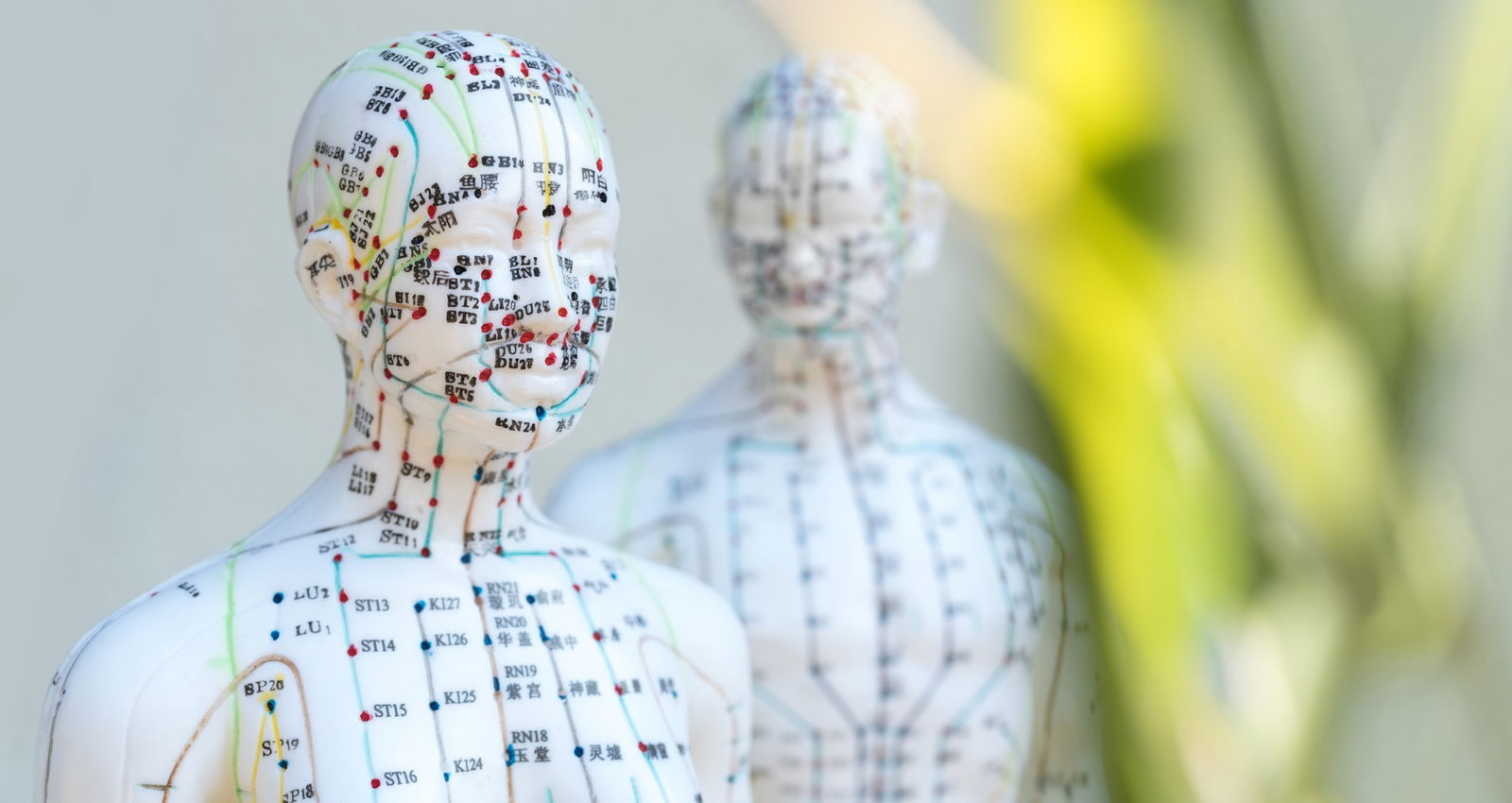 By applying the right strategies, you can expand your therapeutic toolkit with laser acupuncture and address pain, inflammation and musculoskeletal conditions with possible applications in neurological rehabilitation contexts.
As chiropractic technology continues to advance, DCs are looking for innovative, evidence-based modalities to enhance patient outcomes. One such emerging technique, laser acupuncture (LA), offers a compelling blend of tradition and technology, merging the ancient principles of acupuncture with the precision of modern phototherapy. This article outlines the current scientific evidence on LA and auricular therapy for DCs, summarizing proposed mechanisms, key clinical applications and practical considerations for safe integration into practice.
Why use lasers on acupuncture points?
Laser stimulation of acupuncture points, referred to as laser acupuncture (LA) or laser auriculotherapy when applied to ear points, uses low-level red or near-infrared light to activate acupoints without needles. For patients who are needle-averse, including children or individuals on anticoagulant therapy, and in situations where needling is impractical, LA offers a noninvasive alternative. It may engage both acupuncture point physiology and photobiomodulation (PBM) mechanisms. Systematic reviews note converging evidence of analgesic effects, autonomic modulation and anti-inflammatory potential, while emphasizing the need for further high-quality trials in specific indications.
How LA likely works (in brief)
PBM at acupoints is proposed to act through several interconnected pathways. Low-level laser in the 600–900nm range can enhance mitochondrial activity via cytochrome c oxidase (CcO) absorption, potentially increasing enzyme expression, oxygen uptake and adenosine triphosphate (ATP) production. This may also facilitate nitric oxide (NO) and reactive oxygen species (ROS) release, with downstream effects, such as improved cerebrovascular oxygenation, upregulation of antioxidant and cell-proliferation genes and suppression of pro-inflammatory proteins.1,2
LA may also modulate neural pathways in ways comparable to manual or electroacupuncture. Laser “needle” stimulation has been linked to changes in heart-rate variability, functional brain responses and peripheral nerve conduction, suggesting activation of both segmental (spinal) and suprasegmental (central) mechanisms. Experimental work further shows that stimulation at approximately 40mW can produce cerebral oxyhemoglobin changes similar to those induced by metal needles, supporting physiological equivalence and indicating a possible dose-response effect.3 Applied with the appropriate wavelength and dose, LA may elicit both local and systemic responses, combining acupuncture’s reflex effects with PBM’s biostimulatory action.
What does the evidence show?
Pain
Clinical trials indicate LA can relieve pain, improve function and influence systemic markers when combined with standard care. In distal radius fracture rehabilitation, LA with physical therapy produced a 44% reduction in pain and 33% functional improvement compared with therapy alone.4 For patellofemoral pain syndrome, a four-week LA program alongside stretching and strengthening significantly outperformed sham laser in pain reduction, knee range of motion and functional scores.5 In rheumatoid arthritis, a four-week LA regimen improved antioxidant status, reduced oxidative stress and inflammation and lowered disease activity scores.6 Collectively, these results support LA as an adjunctive approach in musculoskeletal rehabilitation and chronic inflammatory pain management.
Neurologic conditions
Clinical and pre-clinical evidence suggests laser acupuncture may have applications in various neurological contexts. In a randomized trial involving individuals with chronic Bell’s palsy (greater than eight weeks’ duration), LA combined with standard care improved facial nerve function over eight weeks compared to control, as confirmed by electroneurography and electromyography.7 In pediatric rehabilitation, children aged 1–4 years with hemiplegic spastic cerebral palsy who received LA alongside three months of physiotherapy demonstrated reduced spasticity in targeted muscle groups and improved goal-related motor scores, though total GMFM scores and range of motion did not significantly change.8 For chronic tension-type headache, a placebo-controlled trial applying LA to LU7, LI4, GB14 and GB20 over 10 sessions in three weeks achieved significant and sustained reductions in headache intensity, duration and frequency versus sham treatment.9
Pre-clinical studies provide additional mechanistic insights: In rat models of focal cerebral ischemia, daily LA at GV20 for 14 days reduced infarct volume, lowered oxidative stress and enhanced antioxidant enzyme activity.10 Related work showed improvements in memory, preservation of hippocampal neuron density, increased antioxidant capacity, reduced interleukin-6 levels and better neurological scores.11 These findings, while preliminary in some cases, indicate potential neuroprotective and anti-inflammatory effects warranting further clinical investigation.
Auricular (ear) applications
Auricular LA is mostly used in contexts such as anxiety, stress management and smoking cessation. In tobacco dependence research, two randomized trials provide encouraging evidence for its use. In a study of 60 smokers, LA alone produced the largest reduction in nicotine dependence, while combining LA with counseling led to the greatest decrease in urinary cotinine levels and improvement in withdrawal symptoms, such as irritability and craving.12 A larger trial with 150 participants found that LA plus counseling achieved the most pronounced reduction in Fagerström scores and improvements across multiple withdrawal-related symptoms, outperforming either intervention alone.13 Collectively, these findings suggest that auricular LA, particularly when combined with behavioral counselling, may serve as a low-risk, noninvasive adjunctive strategy for tobacco dependence management.
Parameters that matter (and how to choose them)
Important technical variables include wavelength, output power, power density, energy density and beam size. Red wavelengths (≈633–670 nm) penetrate more deeply than shorter wavelengths, with depths up to ~4cm in certain conditions; near-infrared wavelengths (≈780–900 nm) may reach ~6cm with a focused beam. Wavelength selection may depend on target depth and tissue absorption characteristics. LA devices are typically Class 3b (5–499mW). Power density rises with smaller beam size, enhancing penetration. Energy density (J/cm²) represents the delivered dose; effective values vary widely, though ~4 J/cm² is sometimes used as a starting point, with adjustments based on patient response.
Treatment session structure (common in studies)
- Point selection: Clinical protocols vary widely. Some target points near the pain site, others use distal or systemic points, and many combine both. Selection may follow meridian theory, standardized condition-specific templates, or individualized combinations. Auricular protocols often follow established maps for conditions, such as addiction or stress.
- Dwell time and frequency: Exposure times per point in published studies range from ~30 to 80 seconds, influenced by wavelength, power and treatment goals. Session frequency may be two to three times per week for several weeks, extend to multi-month courses in chronic or neurological cases or use short daily courses for acute presentations.
Safety profile
Across clinical studies, LA is generally well-tolerated, with mostly mild and transient adverse effects, such as dizziness, headache, fatigue or minor local sensations.14 The noninvasive nature of LA avoids risks associated with needles, including infection, bleeding or organ puncture, and enables treatment of points that may be uncomfortable to needle. However, as Class 3B lasers could cause eye injury, protective eyewear for patients and practitioners is essential. Additional precautions include avoiding irradiation over the eyes, gonads, hemorrhagic areas, tumor sites and the heart in cardiac patients, as well as avoiding the fetus during pregnancy and the epiphyseal line in children.
Practical considerations
- When to consider LA: Suitable for patients seeking noninvasive options or unable to tolerate needles. Applications within chiropractic scope include spinal, shoulder and headache-related pain, as well as stress-related presentations. Auricular LA has been used in smoking cessation and anxiety management.
- Measure what matters: Use validated pain scales and functional indices to assess progress. Autonomic markers, such as HRV, may be useful in stress-related cases. Monitoring outcomes allows early identification of responders and supports clinical decision-making.
- Dose discipline: Document wavelength, power, exposure time, treated points and estimated dose per point. Under-dosing may limit clinical effect. Reported doses range from 8–10 J/cm² for deeper structures to 0.5–1 J for auricular points.
- Combine thoughtfully: LA can complement manipulation, mobilization, soft tissue therapy and exercise. In smoking cessation programs, combining auricular LA with counseling may enhance quit rates.
Limitations and research gaps
Current evidence is limited by variability in parameters, point selection and treatment schedules. Many trials have small samples, short follow-up and heterogeneous methodologies, making it difficult to assess long-term benefits. Direct comparisons with needle acupuncture are rare, and standardized protocols are lacking. Larger, well-controlled trials with sham comparators and mechanistic studies are needed to clarify optimal use. While early findings suggest benefits for pain, certain neurologic conditions and addiction-related outcomes, stronger data and consensus guidelines will be essential for broad clinical adoption.
Final thoughts
For DCs, both laser acupuncture and laser auriculotherapy are emerging as safe, practical additions, particularly for short-term pain relief and as complements to behavioral programs, such as stress management or smoking cessation support. These techniques can engage patients who may avoid needles, expanding access to acupuncture’s potential benefits. While optimal protocols and long-term outcomes remain under investigation, applying sound photobiomodulation dosing principles, tracking patient outcomes and integrating LA with other modalities can position DCs at the forefront of this evolving therapeutic approach.
Francisco Cidral, ND, MSC, PHD, POSTDOC, is the founder and CEO of Scientifica Consulting. He holds a master’s degree and PhD in neurosciences and a postdoctorate in health sciences. Cidral is a professor of integrative medicine and neurophysiology, with a specialization in laser acupuncture and photobiomodulation. He has authored more than 35 scientific publications and books. Cidral is a board member of various scientific journals and international research groups. He can be contacted at cidral@scientificaconsulting.com.
This article was written on behalf of Avant Wellness. For more information, visit avantwellness.com.
References
- Chon TY, et al. Laser acupuncture: A concise review. Med Acupunct. 2019;31(3):164-168. https://pubmed.ncbi.nlm.nih.gov/31297170/. Accessed August 29, 2025.
- Frankowski DW, et al. Light buckets and laser beams: Mechanisms and applications of photobiomodulation (PBM) therapy. GeroScience. 2025;47:2777-2789. https://pubmed.ncbi.nlm.nih.gov/39826026/. Accessed August 29, 2025.
- Litscher G, Opitz G. Technical parameters for laser acupuncture to elicit peripheral and central effects: State-of-the-art and short guidelines based on results from theMedical University of Graz, the German Academy of Acupuncture, and the scientific literature. Evid Based Complement Alternat Med. 2012;2012:697096. https://pubmed.ncbi.nlm.nih.gov/22619693/. Accessed August 29, 2025.
- Acosta-Olivo C, et al. Laser treatment on acupuncture points improves pain and wrist functionality in patients undergoing rehabilitation therapy after wrist bonefracture: A randomized, controlled, blinded study. Acupunct Electrother Res. 2017;42(1):11-25. https://pubmed.ncbi.nlm.nih.gov/29772132/. Accessed August 29, 2025.
- Allam NM, et al. Effect of laser acupuncture on pain, range of motion and function in patellofemoral pain syndrome: A randomised controlled trial. Front Med (Lausanne).2025;12:1613197. https://pubmed.ncbi.nlm.nih.gov/40735438/. Accessed August 29, 2025.
- Attia AM, et al. Therapeutic antioxidant and anti-inflammatory effects of laser acupuncture on patients with rheumatoid arthritis. Lasers Surg Med. 2016;48(5):490-497. https://pubmed.ncbi.nlm.nih.gov/26875769/. Accessed August 29, 2025.
- Wu D, et al. Laser acupuncture and photobiomodulation therapy in Bell’s palsy with a duration of greater than 8 weeks: A randomized controlled trial. Lasers Med Sci. 2024;39(1):29. https://pubmed.ncbi.nlm.nih.gov/38216803/. Accessed August 29, 2025.
- Dabbous OA, et al. Laser acupuncture as an adjunctive therapy for spastic cerebral palsy in children. Lasers Med Sci. 2016;31(6):1061-1067. https://pubmed.ncbi.nlm.nih.gov/27147077/. Accessed August 29, 2025.
- Ebneshahidi NS, et al The effects of laser acupuncture on chronic tension headache: A randomised controlled trial. Acupunct Med. 2005;23(1):13-18. https://pubmed.ncbi.nlm.nih.gov/15844435/. Accessed August 29, 2025.
- Jittiwat J. Laser acupuncture at GV20 improves brain damage and oxidative stress in an animal model of focal ischemic stroke. J Acupunct Meridian Stud. 2017;10(5):324-330. https://pubmed.ncbi.nlm.nih.gov/29078967/. Accessed August 29, 2025.
- Jittiwat J. Baihui point laser acupuncture ameliorates cognitive impairment, motor deficit and neuronal loss partly via antioxidant and anti-inflammatory effects in ananimal model of focal ischemic stroke. Evid Based Complement Alternat Med. 2019;2019:1204709. https://pubmed.ncbi.nlm.nih.gov/30915140/. Accessed August 29, 2025.
- Yavagal PC, Nagesh L. Efficacy of laser auricular acupuncture for smoking cessation: A randomized controlled trial. Sultan Qaboos Univ Med J. 2021;21(2):e275-e281.https://pubmed.ncbi.nlm.nih.gov/34221476/. Accessed August 29, 2025.
- Velangi CS, et al. Role of auricular laser acupuncture and psychological counseling in reducing nicotine dependence due to smoking: A randomized controlled trial. Indian J Public Health. 2021;65(3):243-249. https://pubmed.ncbi.nlm.nih.gov/34558485/. Accessed August 29, 2025.
- Yang J, et al. The safety of laser acupuncture: A systematic review. Med Acupunct. 2020;32(4):209-217. https://pubmed.ncbi.nlm.nih.gov/32874405/. Accessed August 29,70 2025.


