
As reimbursement for chiropractic services changes, coding and billing play greater roles in ensuring accurate reimbursement for services and equipment provided to patients.
One area that demands meticulous attention is the billing of durable medical equipment (DME) to insurance companies.DME billing involves specialized processes and adheres to specific guidelines to prevent claim denials and ensure proper and timely payment. This article examines the details providers and billers need to know when billing DME to insurance companies.
Understanding DME
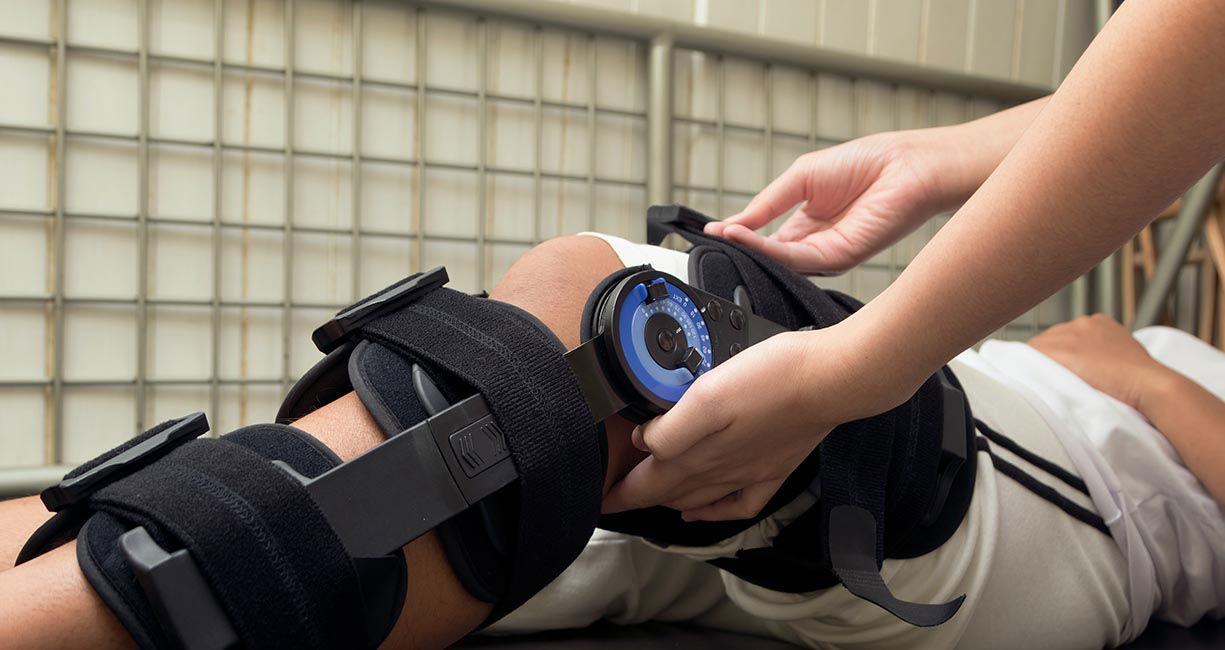
DME encompasses many items that provide therapeutic benefits to patients with health conditions or illnesses. These items are intended for repeated use and are prescribed by doctors of chiropractic to aid in treating, monitoring or managing a patient’s condition. DME in our profession includes cervical pillows, cervical collars, lumbar belts and braces, TENS units and stabilizing functional orthotics.
Coverage information
When confirming coverage for DME or any other service rendered in the chiropractic practice, remember these two essential steps:
Step 1:
There must be a detailed confirmation of the patient’s benefits for the DME. For example, some payers require providers only use in-network, preferred DME suppliers for patients to have coverage for these items. Sometimes, they even limit what type of providers can prescribe the DME, and it is essential to know this before they are purchased and dispensed.
Step 2
After confirming a benefit for the item, the provider’s team must confirm the diagnosis for which the item is being prescribed is on the approved diagnosis list found in the payer’s medical review policy (MRP).
This two-pronged verification process is critical to the billing of durable medical equipment and reimbursement. Don’t be left holding the bag (and the bill) when a claim for DME is denied because the practice didn’t have this critical information.
Documentation requirements
Proper documentation is paramount when billing DME to insurance companies. A few key elements must be included in the documentation to support the medical necessity of the equipment provided. This documentation typically includes:
Prescription and order
It may seem painfully obvious that there must be a valid prescription from a licensed healthcare provider to be paid for the item. This is included in the treatment plan and other ordered services in most chiropractic practices. It is necessary for billing DME. The prescription should contain detailed information about the specific equipment being prescribed and the patient’s medical condition warranting its use.
Certificate of Medical Necessity (CMN)
Certain DME items require a CMN, a form the prescribing physician completes. The CMN provides additional information about the patient’s diagnosis, prognosis and the necessity of the equipment. When verifying as described above, this question should be asked of the payer to confirm whether this step is mandatory. Sometimes, it’s as simple as including this within the patient’s chart note for the day the item is ordered or dispensed.
Health record documentation
As with all services or supplies the provider prescribes, documentation should follow a logical flow. The condition for which the DME is being described should be included in history. The orthopedic and/or neurological findings quantifying that complaint should be evident in the examination. There should be a supporting diagnosis for the area of the complaint, and the treatment plan should include the order. Some payers may require this documentation be submitted along with the claim. Again, another critical question is necessary regarding benefits verification!
Proof of delivery
Documentation confirming the delivery of the DME item is also essential. This may include a delivery receipt signed by the patient or a notation in the health record on the day the item is dispensed.
Billing DME and coding process
Once the necessary documentation is gathered, we can initiate the billing process. Understanding each payer’s specific requirements and guidelines is essential to ensure compliance and minimize claim denials. Here are the critical steps involved in billing DME to insurance companies:
Code selection:
Assigning the appropriate (HCPCS) codes to the DME is essential for accurate billing. This is also found in the medical review policy of the payer you’re dealing with. Additionally, you must be sure the HCPCS code accurately describes what you are dispensing.
When considering foot orthotics, one must remember that each L code describes a different type of orthotic. When ordering and dispensing stabilizing and functional orthotics, choosing the wrong L code could mean trouble. For example, one practice verified and found the only covered orthotic code is L3000, which represents a rigid orthotic called a Berkeley shell. If that is the only code covered and you are not dispensing this hard-shell orthotic, it may be a non-covered item for which the patient can acknowledge to self-pay. Stabilizing, functional orthotics are best described using code L3020, which must be billed for both the left and right side. See Image 1 for an example.

**Fees and diagnosis codes used for educational purposes only
Supplemental coding and billing
Other physician-level services adjacent to the supply or item may be coded and billable when ordering and dispensing DME. Depending on the item dispensed, there is often a dispensing and training visit to ensure proper use of the item.
CPT® Code 97760
Orthotic(s) management and training (including assessment and fitting when not otherwise reported), upper extremity(s), lower extremity(s) and/or trunk every 15 minutes.
This service may be rendered and billed the day DME is dispensed to the patient and may only be used for “custom fabricated” supports. This code includes fitting the device(s) and training the patient in their use, care and break-in. Direct one-on-one contact by the service provider is required and is timed-based for billing. You need to document the time spent in your daily notes properly. Combine the treatment time for any other time-based codes on the same encounter and code according to the time-based coding information in this module. Image 2 provides an example of billing for this code. Notice the specificity of the diagnosis pointer in box 24E.

**Fees and diagnosis codes used for educational purposes only
CPT® Code 97763
Orthotic(s)/prosthetic(s) management and/or training, upper extremity(ies), lower extremity(ies) and/or trunk, subsequent orthotic(s)/prosthetic(s) encounter every 15 minutes.
This service is intended for established patients who have already received their item or supply. The provider needs to follow up with a patient after receiving DME. The “checkout” visit would include assessing the patient’s response to using the device, such as functional orthotics, to include things like skin irritation or breakdown, determination if the patient is using the functional orthotics appropriately, need for padding, underwrap or socks and tolerance to any dynamic forces being applied. This code requires direct one-on-one contact from the provider and is timed-based for billing. Providers must adequately document the time spent in their daily notes. Combine the treatment time for any other time-based codes on the same encounter and code according to the time-based coding rules.
Common billing of durable medical equipment challenges and solutions
Despite careful attention to detail, billers may encounter challenges when billing for durable medical equipment to insurance companies. Some common challenges include:
Documentation errors
Incomplete or inaccurate documentation can lead to claim denials. To address this challenge, establish thorough documentation protocols and train staff members on proper documentation requirements.
Prior authorization requirements
Some insurance companies require authorization for certain DME items. Billers should proactively obtain prior authorization when necessary to prevent claim denials. This is another great question to add to your verification of benefits.
Denied claims
Despite best efforts, claim denials may still occur. In such cases, conduct a thorough review of the reason for the denial and take appropriate action, such as appealing the denial with additional documentation or clarification.
Final thoughts
Billing and collecting requires careful attention to detail, adherence to documentation requirements and familiarity with coding and billing for durable medical equipment guidelines. Billing team members are vital in ensuring claims are submitted accurately and efficiently to facilitate timely reimbursement for DME provided to patients.
KATHY WEIDNER, better known professionally as Kathy Mills Chang, is a Certified Medical Compliance Specialist (MCS-P), a Certified Professional Compliance Officer (CPCO) and a Certified Chiropractic Professional Coder. Since 1983, she has been providing DCs with reimbursement and compliance training, advice and tools to improve the financial performance of their practices. This year, celebrating serving this profession for 41 years, Weidner leads the largest team of certified specialists under one roof in the profession at KMC University. She is one of our profession’s foremost experts on Medicare and documentation. She or any of her team members can be reached at 855-TEAM-KMC or info@KMCUniversity.com.
Related Posts
 How to create seamless chiropractic billing practices
- New rules for Medicare DME providers and suppliers ramping-up in April-Oct.
- Understand billing and coding for wellness care
- Durable medical equipment (DME) rules rolled back during COVID-19, applications being accepted
- ‘Prescribing’ DME for patients and durable medical equipment coding


