Comparing weight-bearing orthotics vs. non-weight bearing for chiropractic patients seeking body balance and pain relief
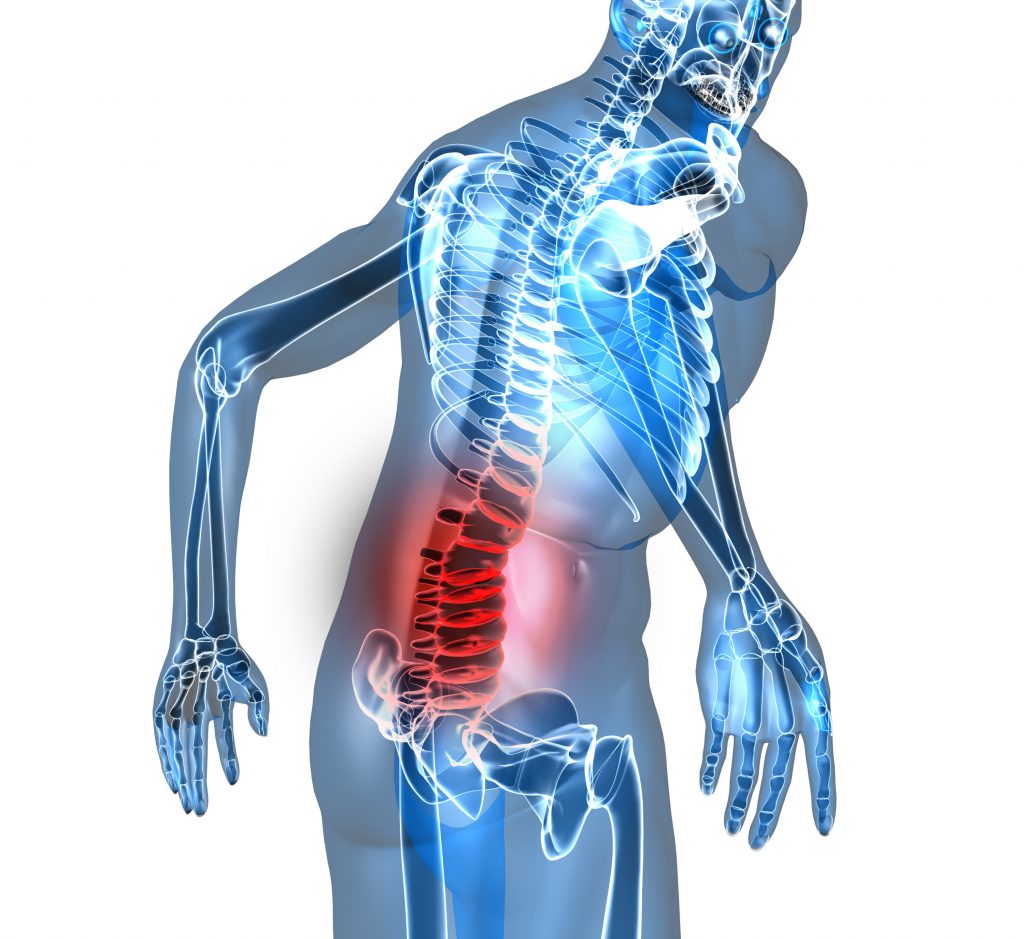
Currently, more than 30 million Americans are experiencing lower back pain, while 77% of Americans have foot pain, and the amount of hip and knee replacements has skyrocketed in recent years. This increase is seeing more chiropractic patients seeking relief from weight-bearing orthotics.
The issues with back pain that people experience has also been strongly linked to the growing opioid epidemic as people turn to harmful prescription drugs to ease their pain. What many do not realize is that there is a simpler, surgery- and prescription-free solution to easing back, hip, knee, and even neck pain – treating your feet.
Treating the foundation
Yes, your feet, the foundation of your body, have the capacity to help alleviate pain and discomfort throughout the rest of your body.
The feet are comprised of three arches: two longitudinal arches known as the medial and the lateral, and one anterior, transverse arch. Together, the three arches form a triangle which supports your entire body, just as the foundation of a house does.
Each arch is supported by ligaments and tendons in our feet, sort of like support beams. The arches are the shock absorbers of our body which allow us to move around with ease. Over time, the ligaments and tendons get small tears from living our daily lives running, walking, and standing. It is actually these tears that lead to plantar fasciitis pain. But as we age, our arches change, which causes us to adapt. Some people over-pronate, or turn out their feet. Others favor one side, and some people develop poor posture.
The tricky thing is that our feet do not evolve in sync with one another. Instead, one foot’s arches can change in different ways than the other foot, causing us to have two feet that have nothing else in common other than being attached to the same person.
Orthotics bring balance
This is why people need to wear orthotics. Orthotics help our body balance as though our feet are the same by making up for the changes and differences in each foot. Although orthotics have been used by podiatrists for decades, in 1952 a new type of orthotic, a weight-bearing version which supported all three of the foot’s arches, was born.
Previously, podiatrists and even some chiropractors used non-weight bearing orthotics with patients. This is problematic because the discomfort patients complained about, such as lower back, hip, or knee pain, persisted even after wearing these orthotics; although many patients complained that the orthotic was too rigid and uncomfortable to wear regularly.
When non-weight bearing orthotics are created, a cast of your foot is made, and then a rigid orthotic is produced. Typically, the mold of your foot for the orthotics is taken while you are sitting or lying down with your feet in a neutral, relaxed position. This creates a mold that provides arch support when you are not bearing any weight on your feet. But, how often are you not bearing weight on your feet during a typical day? Not particularly often. Thus, non-weight-bearing orthotics can be ineffective.
The weight-bearing orthotics advantage
Instead, weight-bearing orthotics produce a non-rigid, flexible insert that provides support to all three of the foot’s arches. To create weight-bearing orthotics, a foot scan or foam mold is made for the patient while they are standing, rather than when they are in a relaxed and non-weight bearing position. This helps the practitioner see exactly how a person’s foot is behaving while they are standing and/or walking, to provide ideal arch support. The impression taken is then analyzed and a custom orthotic is produced for each foot.
The weight-bearing option for orthotics is easier because the patient only needs to stand on something, rather than lay down or sit in an unnatural position, and this method produces orthotics that support the entire foot as opposed to just one arch. Weight bearing orthotics are also flexible so that when people stand and walk, they are extremely comfortable. In fact, custom made, weight-bearing orthotics are proven to reduce lower back pain by nearly 35%.
Weight-bearing orthotics are one piece of the optimal health puzzle because they allow us to use the full range of motion of our body. Wearing custom orthotics and getting regular chiropractic adjustments can help to not only relieve pain and discomfort, but prevent it from returning. Not to mention, weight-bearing orthotics like Foot Levelers have a one-year guarantee and cost-less over time than over-the-counter or rigid, non-weight bearing orthotics.
Related Posts
 These all-natural supplements for sinus issues provide patient relief without side effects
- Choosing the best omega-3 supplements: what is the best ratio of DHA to EPA?
- Study reveals one-third of patients seek chiropractic for pain during pregnancy
- Ultra Tables announces newest feature
- Life University’s CCISE joins United Nations group for social-emotional and digital learning