Most patients think feeling better is all about finding the right dietary supplement. But if their bodies aren’t absorbing properly, no supplement will help much.
Absorption is the quiet variable that changes everything. A patient can take a premium-quality probiotic, a hefty B-12 supplement or an immune-support blend and still feel no improvement if the gut environment isn’t ready to receive it. Without a balanced microbiome and adequate intrinsic factor, even the best formulas underperform.
For doctors of chiropractic, this fact opens the door to a conversation that’s clinically powerful but easy for the patient to understand: Optimize absorption first, then build your supplement strategy.
Choosing a top-quality probiotic, such as Dee Cee Laboratories’ Super Probiotic, and layering in a product like Biotrinsic, containing B-12 plus intrinsic factor, will help patients absorb better and may facilitate a major shift in their overall wellness.

The gut as the gateway
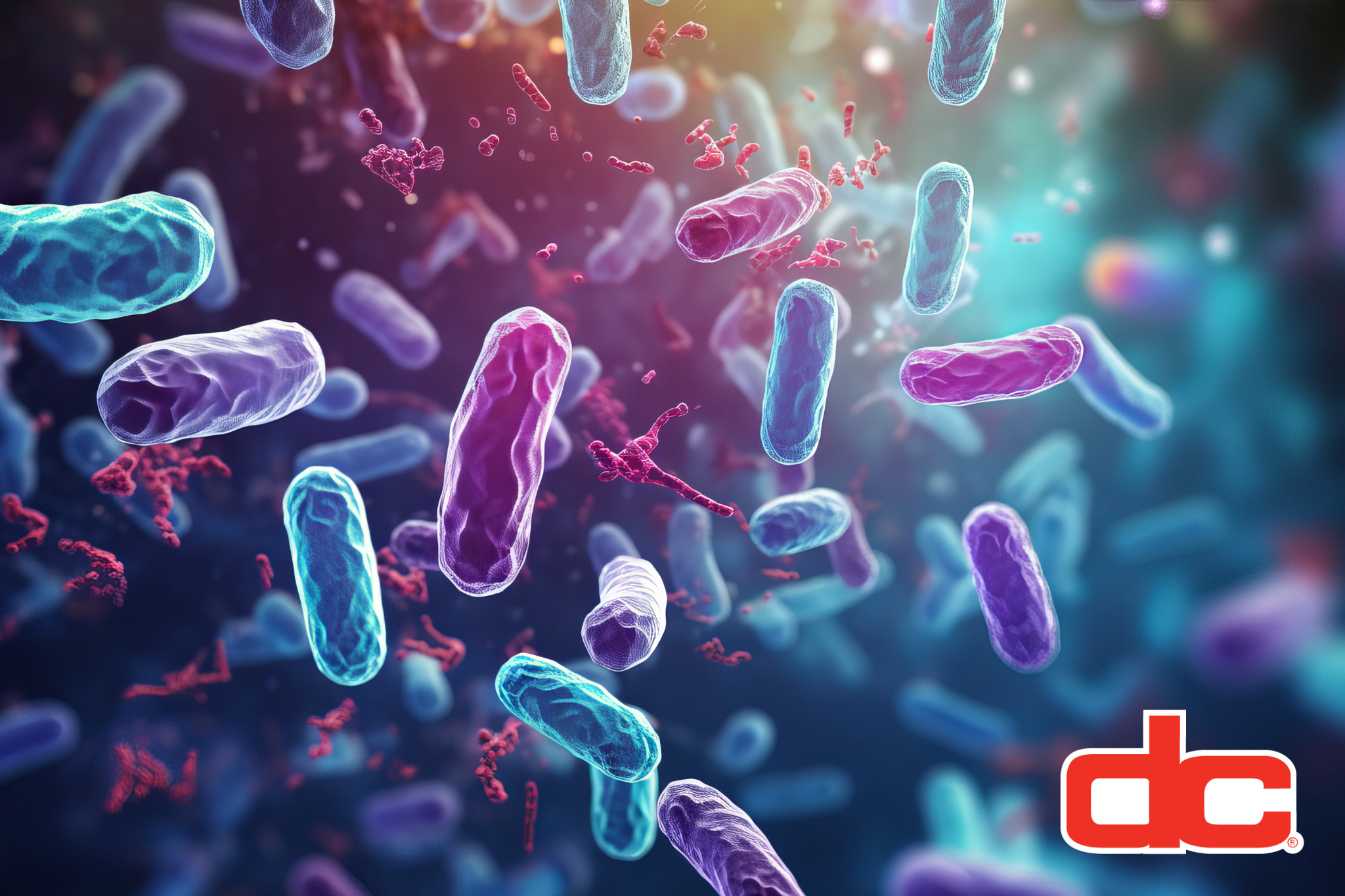
Probiotic bacteria can improve nutrition, strengthen immunity and support physiological function. The better the gut conditions allows for better uptake of nutrients. Probiotics help maintain intestinal health and support a more efficient digestive process, which directly affects how well patients absorb anything they swallow.
Research connects probiotic use with a wide range of benefits,1 including lower risk of urinary tract infections, cancer prevention support and improvements in several common gastrointestinal ailments such as inflammatory bowel disease, irritable bowel syndrome, lactose intolerance, rotavirus and traveler’s diarrhea.
Good gut bacteria are active participants in digestion, producing enzymes, balancing pH, breaking down food compounds and helping the body decide what gets absorbed and what gets eliminated.
Absorption either works for patients or works against them.
The missing link: Intrinsic factor and B-12
Even when the gut is functioning well, B-12 is its own story. How well this essential nutrient works for a patient depends on intrinsic factor, a natural substance secreted in the stomach that binds to B-12 so it can be absorbed in the small intestine.
If a patient has low intrinsic factor, no amount of oral B-12 will fix the issue. The body simply can’t use what it can’t absorb.
Many patients with chronic fatigue, cognitive fog or low mood assume their supplements are ineffective. The problem is often utilization by the body, not the supplement itself.
Offering a B-12 supplement with intrinsic factor gives patients a meaningful chance to experience the results they’ve been expecting.
The gut affects mental health too
Absorption influences more than digestion and energy. It also plays a major role in emotional stability. A 2019 review in Critical Reviews in Food Science and Nutrition2 links gut microbiota to mood and cognition, with increased beneficial bacteria associated with:
- Lower anxiety
- Reduced depression symptoms
- Better stress response
- Reduced neuroticism
- Improved memory
Some strains can even help lower cortisol. A 2021 article in the Journal of Clinical Medicine3 highlights cortisol elevation as a marker for more severe mental health challenges, which makes gut balance a surprisingly useful lever for emotional health.
When patients fully absorb the nutrients, probiotics and food they take in, the gut-brain axis functions the way it’s supposed to.
Prebiotics: The amplification factor
Probiotics are like the human body itself and like all living things; they work much better when properly fed.
Prebiotics are the fibers and substrates good bacteria consume to grow and multiply. Without them, probiotic colonies struggle to survive long-term. With them, the microbiome becomes stronger, more stable and more effective at supporting absorption.
Prebiotics don’t replace probiotics. They feed them and amplify their benefits.
What to look for in an absorption-focused probiotic
DCs are in an authoritative position to help patients select a product that supports total absorption. Key factors to look for as you choose include:
Bacterial strains. Lactobacilli, Bifidobacterium and gram positive cocci each play different roles. Research suggests some strains, such as Lactobacillus casei, may influence immunity, brain function and pathogen resistance.4
Viability protection. Freeze-drying prebiotics with inulin maintains stronger bacterial integrity. A 2022 study in Biotechnology Reports5 found inulin to be a superior cryoprotectant compared to sucrose and maltodextrin.
Clean formula. Patients do better with a probiotic free from common allergens and unnecessary additives.
Final thoughts: Choose based on absorption
Dee Cee Laboratories offers two complementary formulas designed with absorption in mind:
Super Probiotic supplies 30 billion live bacteria across 10 strains, freeze-dried with inulin to help maintain viability and support healthy intestinal flora. It contains no sugar, dairy, starch, soy, wheat, fish, preservatives or artificial colors, flavors or sweeteners.
Biotrinsic combines intrinsic factor with folate and methylcobalamin B-12 to support optimal absorption and utilization of vitamin B-12. This is especially important for patients who may not naturally produce enough intrinsic factor for effective uptake.
Together, these targeted formulas give DCs a simple, evidence-aligned way to improve patient outcomes by focusing on the factor most patients (and even some clinicians) overlook: Supplement efficacy is all about absorption.
References
- Amara AA, Shibl A. Role of probiotics in health improvement, infection control and disease treatment and management. Saudi Pharm J. 2015;23(2):107-14. https://pmc.ncbi.nlm.nih.gov/articles/PMC4421088/. Accessed November 20, 2025.
- Misra S and Mohanty D. Psychobiotics: A new approach for treating mental illness? Crit Rev Food Sci and Nutr. 2019;59(8):1230–1236. https://pubmed.ncbi.nlm.nih.gov/29190117/. Accessed November 20, 2025.
- Dziurkowska E, Wesolowski M. Cortisol as a biomarker of mental disorder severity. J Clin Med. 2021;10(21):5204. https://pmc.ncbi.nlm.nih.gov/articles/PMC8584322/. Accessed November 20, 2025.
- D Hill, et al. The Lactobacillus casei group: History and health related applications. Front Microbiol. 2018;9. https://www.frontiersin.org/journals/microbiology/articles/10.3389/fmicb.2018.02107/. Accessed November 20, 2025.
- S Oluwatosin, et al. Sucrose, maltodextrin and inulin efficacy as cryoprotectant, preservative and prebiotic – towards a freeze dried Lactobacillus plantarum topical probiotic. Biotechnol Rep. 2022;33. https://www.sciencedirect.com/science/article/pii/S2215017X21001120. Accessed November 20, 2025.