


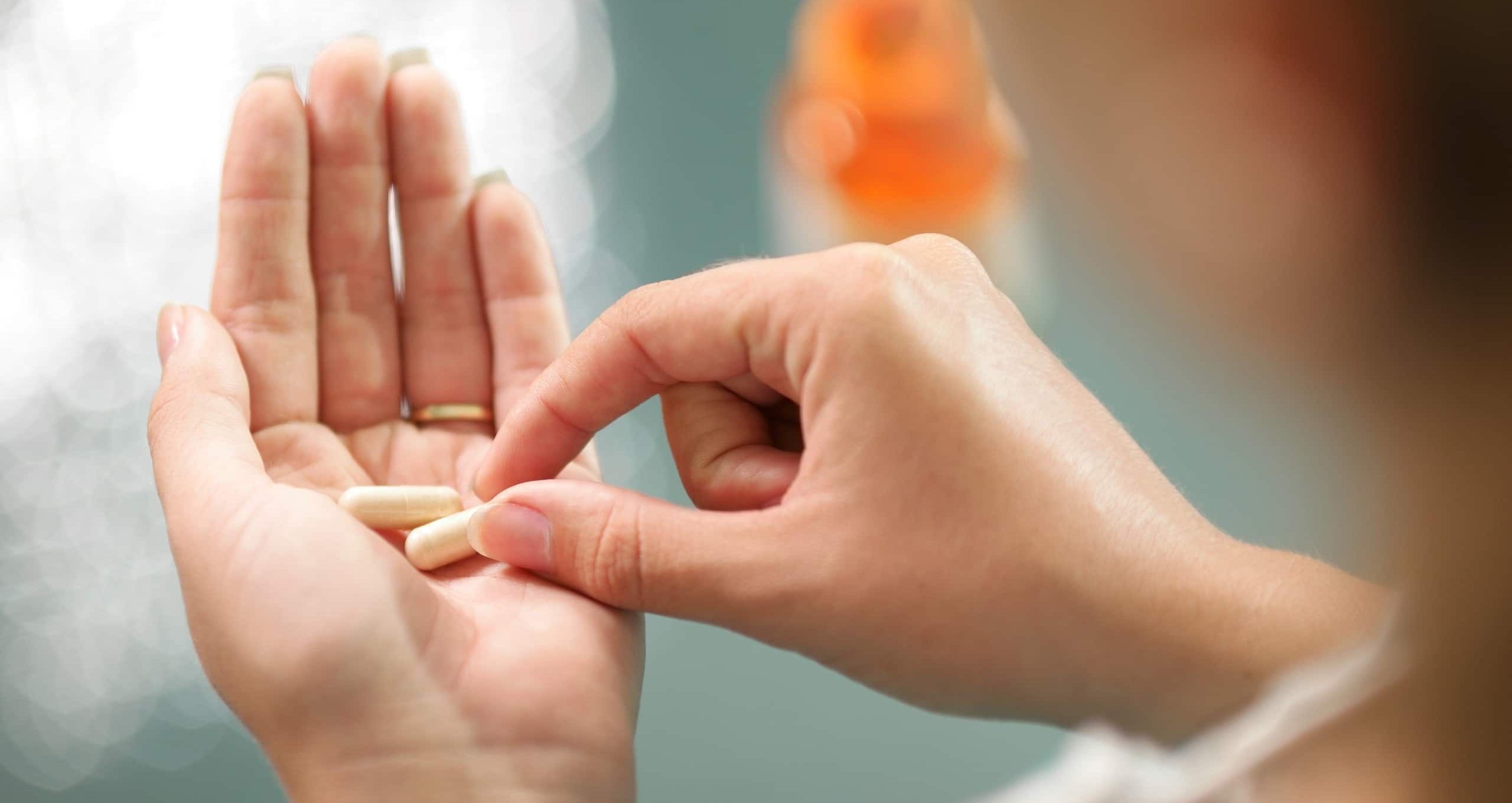
By integrating a combination of laser therapy and nutrition into your practice, you will be able to deliver faster, more complete outcomes for your patients.
In functional medicine, it’s not uncommon for patients to hit plateaus. A patient makes progress; pain decreases, labs improve and symptoms ease; only for everything to stall before full resolution. When that happens, it’s a signal to reassess and consider what’s missing from the clinical approach. That’s how many practitioners, myself included, began exploring the synergy between nutritional protocols and laser therapy.
For years, I relied on targeted nutritional interventions to treat a range of chronic conditions. At the same time, I incorporated laser therapy, specifically photobiomodulation (PBM), to reduce inflammation and accelerate tissue repair.
The earliest and most compelling improvements showed up in autoimmune patients, particularly those with Hashimoto’s thyroiditis. By applying cold laser therapy over the liver, pituitary and thyroid gland and pairing it with vitamin D, N-acetylcysteine (NAC) and other precursors for glutathione, colostrum and immune polypeptides, I saw antibody levels drop more significantly than with nutrition alone. The inflammation and fatigue these patients carried for years began to resolve in weeks instead of months. The associated hypothyroid and occasionally hyperthyroid state would resolve.

This experience sparked a shift in how I practice and educate others. We now have ample clinical evidence and peer-reviewed data supporting the combined use of PBM and therapeutic supplementation. When used together, these interventions don’t just coexist; they compound one another’s effects.
What follows is a condition-by-condition breakdown of how to integrate laser therapy and nutrition, the mechanisms explaining their synergy and key clinical tips to help you deliver faster, more complete outcomes; especially in patients with chronic, multisystemic conditions.
Peripheral neuropathy
Laser therapy: Super-pulsed infrared (904nm) and red (660nm)
Nutrition: Alpha-lipoic acid, acetyl-l-carnitine, methylcobalamin (B12), benfotiamine
Benefits:
- Decrease in pain and paresthesia
- Faster nerve conduction
- Axonal regeneration
Nutrients like B12 and benfotiamine support the body’s biological repair process and reduce oxidative stress.
Cognitive fog, including post-concussion, long COVID
Laser therapy: Transcranial red (660nm) and infrared (810–905nm)
Nutrition: DHA, citicoline, creatine, liposomal curcumin, N-acetylcysteine, magnesium L-threonate
Benefits:
- Increased cerebral blood flow
- Reduced neuroinflammation
- Improved memory and focus
Research and peer-reviewed data show measurable gains in executive function.1 Combined with neuroprotective nutrients, such as citicoline and magnesium, the effects are even stronger.
Arthritis and joint pain
Laser therapy: Infrared (905nm), red (660nm), blue (450nm)
Nutrition: Glucosamine, MSM, boswellia, turmeric,
vitamin D3 + K2
Benefits:
- Improved joint flexibility
- Lowered inflammation
- Decreased cartilage breakdown
PBM downregulates COX-2 expression, while boswellia and turmeric help maintain healthy joint tissue.
Wound healing, including diabetic ulcers
Laser therapy: Super pulsed infrared (905nm), red (660nm), blue (450nm)
Nutrition: Zinc, vitamin C, arginine, glutamine, collagen
Benefits:
- Faster epithelialization
- Decreased infection rates
- Stronger tissue repair
Immune dysfunction and chronic infection
Laser therapy: Blue (450nm) and infrared (905nm)
Nutrition: Quercetin, N-acetylcysteine (NAC), vitamin D, vitamin A, elderberry
Benefits:
- Stronger immune response
- Improved lymphatic flow
- Viral load reduction
Blue laser therapy targets biofilms and microbes directly. Nutrients like quercetin and NAC help regulate inflammation and cellular defense pathways.


Tendon injuries, including rotator cuff, Achilles, tennis elbow
Laser therapy: Red (660nm) and infrared (905nm)
Nutrition: Collagen I and III, vitamin C, silica, hyaluronic acid
Benefits:
- Enhanced fibroblast activity
- Decreased pain
- Improved collagen remodeling
Autoimmune conditions, including rheumatoid arthritis, Hashimoto’s, lupus
Laser therapy: Infrared (905nm) and blue (450nm) systemically and regionally
Nutrition: Selenium, glutathione, curcumin, omega-3s, probiotics
Benefits:
- Reduced cytokine load
- Decreased autoantibody activity
- Increased energy and digestive ease
Laser therapy helps regulate immune pathways, especially the dynamic balance between two types of cells: Th17 and Treg. Nutrition complements this by supporting redox function and gut immunity.2
Why the combo works
It’s not just coincidence that patients improve faster when both modalities are used. Table 1 illustrates why they work so well together.
Clinical tips for implementation
Timing matters: Apply laser therapy just before or after nutrient dosing for better bioavailability.
Hydration is key: Encourage optimal fluid intake to aid lymphatic clearance post-laser.
Consistency counts: Use protocols over a minimum of six to 12 weeks for sustained results and continue care as needed.
Final thoughts: The future is functional, focused and fast with laser therapy
As you expand your scope to include neurological, immunological and systemic health, these dual therapies become not just helpful but necessary. Laser therapy and nutrition don’t compete; they complement each other. If you’re still using them in isolation, it might be time to rethink your treatment model.
I’ve seen firsthand how patients with seemingly intractable conditions begin to heal when we stop treating in isolation and start stacking our tools strategically. By harnessing the biological synergy of light and nutrients, we’re not just managing symptoms; we’re restoring systems. Start using these modalities together for deeper healing and better outcomes.

Video transcript (PDF)
Cindy M. Howard, DC, DABCI, DACBN, FIAMA, FICC, is a board-certified chiropractic internist and nutritionist specializing in finding the root cause of symptoms and diseases. She earned her Doctor of Chiropractic from the National University of Health Sciences and is in private practice in Orland Park, Illinois, where she focuses on individualized care. For more information, visit innovativehwc.com, call 708-479-0020 or email at drcindymhoward@gmail.com
References
-
Revelations: A compendium of research. Multi Radiance Medical. https://www.multiradiance.com/about/for-clinicians-and-patients/research-papers/. Accessed August 27, 2025.
-
Franco R, Vargas MR. Redox biology in neurological function, dysfunction and aging. Antioxid Redox Signal. 2018;28(18):1583–1586. https://pmc.ncbi.nlm.nih.gov/articles/PMC5962327/. Accessed August 27, 2025.
-
Fallahsharoudi A, et al. QTL mapping of stress related gene expression in a cross between domesticated chickens and ancestral red junglefowl. Mol Cell Endocrinol. 2017;446:52-58. https://pubmed.ncbi.nlm.nih.gov/28189567/. Accessed August 27, 2025.


