


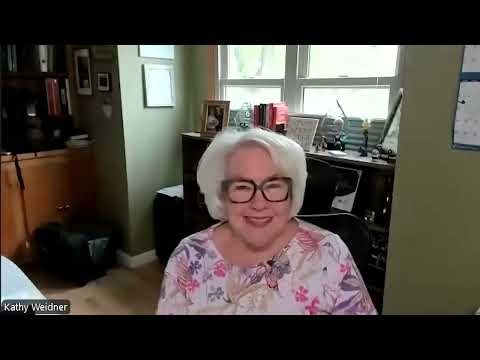
Join Chiropractic Economics editor-in-chief Gloria Hall as she interviews Kathy Weidner of KMC University, above. Her article featured in Issue 15 is below.
Download video transcript (PDF)
Over-the-counter foot orthotic businesses have gained popularity through kiosks or stand-alone stores.
Everyone seems to know the prevalence of foot and knee pain in our culture and wants a piece of the financial pie. While over-the-counter (OTC) orthotics may provide temporary relief, they do not address the underlying condition. Store-bought inserts (orthotics) are not customized for a patient’s condition but are aimed at their preference, pressure points or complaints. They don’t work because the patients are just putting Band-Aids on their problems instead of getting to the root cause of the pain. This is where you come in.

Patients often seek a quick fix to their foot pain, but we must help them understand the underlying condition causing their discomfort. As healthcare providers, we know everything changes when the foot hits the ground. Research has proven the benefits of employing custom-made foot orthotics to improve low back pain in patients who are also receiving chiropractic care; therefore, we feel it is a best practice to scan every patient at the beginning of their treatment. The provider’s role in this process is invaluable and integral to the patient’s care.
Even though not all patients have insurance coverage for orthotics, the doctor should still make recommendations in situations where they are clinically appropriate. Orthotics are a helpful addition to the patient’s treatment plan and an excellent source of revenue for the practice.
Consider the following documentation steps when incorporating customized foot orthotics in the clinic to aid in establishing medical necessity.
Evaluate medical necessity and document your clinical decision-making
Documentation of medical necessity of care starts with the patient’s history. When considering whether functional orthotics are medically necessary and, therefore, a covered service, insurers often look to the patient history to document the following symptoms where present:
- Joint pain/stiffness
- Weakness
- Limitation of motion
- Difficulty walking
- Numbness/tingling in the lower extremities
When taking a patient’s history, it is important to explore both past and current medical conditions that may affect patient care. Chronic conditions and traumatic injuries could each benefit from functional orthotics. Additionally, it may be helpful to ask the patient about other treatment options tried or considered and ruled out. Where applicable, document why these prior alternatives did not work out favorably or why they stopped working.
These are some examples of specific history questions that may help determine the need for functional orthotics:
- Are your symptoms affected by walking, standing or climbing stairs?
- Do you avoid activity due to pain in your feet or lower extremities?
- Do you have to elevate your feet to get comfortable?
- Do you use home remedies for your feet and lower extremities?
- Have you tried heel lifts, OTC analgesics, insoles, rigid orthotics, padding, changing shoes or injections?
When properly documented in the patient record, the answers to these questions may help support your assessment that treatment is indicated and there is medical necessity for prescribing functional orthotics.
Examination and diagnostic testing
Once the patient’s history is established, the next step is the physical examination, with the testing driven by what was learned in the history. The history, combined with documentation of the physical examination and, where called for, diagnostic testing (i.e., X-rays) together provides the objective evidence for medical necessity to support the use of functional orthotics in a treatment program. When considering orthotics, your documentation must clearly describe the patient’s symptoms and medical diagnoses. You may also include one or more of the following:
- Five red flags of pronation
- Global postural distortions
- Structural X-ray anomalies
- Functional squat test
- Range of motion
- Orthopedic/neurological tests
- Digital foot/posture assessment
- Proper diagnosis
Functional orthotics address not only the conditions of the feet, legs and hips but also conditions of the spine. Insurance coverage is often limited to diagnoses specific to extremities vs. spinal conditions. For this reason, we urge providers to be aware of the diagnosis requirements for medical necessity when attempting to assist the patient with receiving reimbursement from a third-party payer. The Medical Review Policy (MRP), published by the payer, should outline all the requirements if the patient’s condition is not included in the medically necessary diagnosis list, so do not worry. The patient still needs functional orthotics. Simply prescribe them as you would otherwise.
Treatment plan
To establish medical necessity and the clinical appropriateness of functional orthotics, it’s essential to include your recommendations in the context of a comprehensive treatment plan. This approach should instill confidence in your decisions as a healthcare provider.
- Recommended level of care to include duration and frequency of follow-up visits
- Methods of treatment to be utilized (i.e., adjustments, therapies, functional orthotics, rehab)
- Specific treatment goals, including goals for the functional orthotics
- Objective measures to evaluate treatment effectiveness and the effectiveness of functional orthotics
- Planned modalities and procedures, including adjunctive treatments, to support the necessity of functional orthotics
Finally, it’s crucial to ensure your initial or ongoing assessment includes a clear and comprehensive explanation of your reasoning for prescribing functional orthotics. This is where you should lay out the analysis of the data obtained throughout the evaluation process, culminating in the recommendation for functional orthotics. Remember, thorough documentation is not just a formality, but a key part of providing quality patient care and supporting the medical necessity of your recommendations.
Final thoughts
While OTC solutions only mask symptoms, prescribing custom foot orthotics with proper documentation of medical necessity not only addresses underlying conditions but creates an opportunity to enhance patient outcomes and practice revenue simultaneously.
Kathy Weidner, known professionally as Kathy Mills Chang, is a Certified Medical Compliance Specialist (MCS-P), a Certified Professional Compliance Officer (CPCO) and a Certified Chiropractic Professional Coder. Since 1983, she has provided DCs with reimbursement and compliance training, advice and tools to improve the financial performance of their practices. This year, celebrating serving this profession for 42 years, Weidner leads the largest team of certified specialists under one roof at KMC University. She is one of our profession’s foremost experts on Medicare and documentation and has served as Foot Levelers’ Insurance Advisor for more than two decades. She or any of her team members can be reached at 855-TEAM-KMC or info@KMCUniversity.com.


