


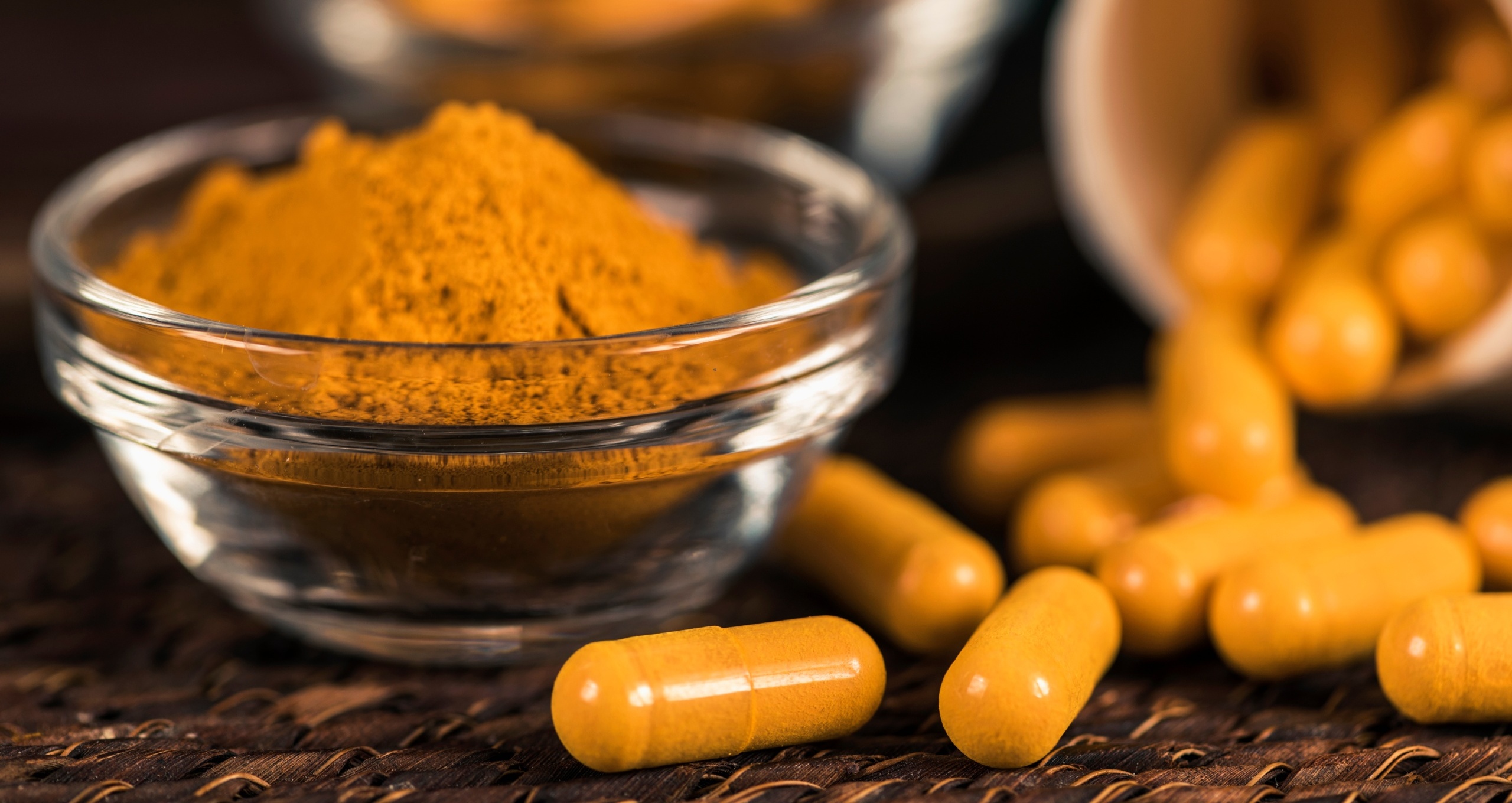
Curcumin combined with turmeric essential oil offers a uniquely “universal” yet highly personalized solution, supporting inflammation, pain relief, mental well-being and more, making it an ideal recommendation for virtually every patient who comes through your door.
There is increasing discussion about how to properly calibrate nutrient levels for individual patients, and by doing so, personalize supplement recommendations and protocols. Although this is a positive development, your established relationship with your patients is already one of the best possible forms of personalization in treatment. Building that trust over time is the way effective care has been practiced for generations. And of course, proper dosage levels are always key to treatment. There are also some nutrients that are simply universal in their application. One of the most effective is curcumin from turmeric (Curcuma longa).
For overall patient well-being, curcumin from turmeric may be one of the best natural medicines available. Properly formulated, it can be recommended for virtually every condition: It eases pain, reduces systemic inflammation, stops free radical damage, alleviates depression and protects cellular processes throughout the body.1,2
But not just any curcumin extract is up to the task. To be consistently reliable, it must be well-absorbed. And that takes precision and leading-edge scientific insight.

Overcoming the challenge of absorption
In the past, treatment with curcumin has been challenging. Curcuminoids can be difficult for the body to absorb. And that makes it especially tough for any patient to get therapeutic benefits from standard curcumin extracts. Fortunately, there’s a solution: curcumin blended with turmeric essential oil. This enhancement helps it absorb much more efficiently than standard extracts, up to 700% more. Additionally, it also remains in the bloodstream at meaningful levels for a longer period.3,4
The therapeutic value of enhanced-absorption curcumin combined with turmeric essential oil has drawn the attention of researchers over the years who have featured the botanical in 90 (and counting) published scientific and clinical studies. The results are especially applicable to your practice.
For example, one study using this curcumin followed 45 individuals with rheumatoid arthritis (RA), randomized to three groups. They examined the effects of 500 mg of this curcumin twice daily, compared to the prescription drug diclofenac sodium (one brand name is Voltaren) at 50 mg twice daily, or a combination of curcumin and diclofenac sodium, in patients with RA.
In a patient assessment, the group taking curcumin alone saw the best symptom reduction, followed by those using the combination of curcumin with diclofenac sodium. The group using diclofenac sodium alone scored last. In both curcumin groups, there were no dropouts due to side effects, but in the diclofenac sodium group, 14% withdrew because of them. So aside from symptom reduction, there is apparently a protective effect from the curcumin that moderates the less appealing aspects of the drug.5
Relieves osteoarthritis pain
A clinical study of patients with osteoarthritis also compared this same curcumin to diclofenac. This study found curcumin equal to the drug for pain relief, but without negative side effects. By comparison, 28% of the people taking diclofenac had such severe gastrointestinal issues that they had to take a second drug to alleviate them. In this study the dosage of curcumin, which is easy on the stomach, was 500 mg three times daily, a simple regimen for patients.6
Curcumin: Relief without risk
In another study of knee osteoarthritis, curcumin enhanced with turmeric essential oil (500 mg twice daily) was compared to paracetamol (acetaminophen) in a six-week trial.
In the curcumin group, 18% of patients experienced more than 50% symptom improvement, with 3% improving by 70% or more. By comparison, none of the patients in the paracetamol group met the criteria. C-reactive protein and TNF-α inflammatory markers were also significantly reduced (37.21 and 74.81%, respectively) in the curcumin group.7
More than pain relief
Patients in physical pain may be more prone to depression, and curcumin also addresses that symptom.8 In addition to inhibiting inflammation throughout the body, scientific research has found curcumin promotes the generation of brain-derived neurotrophic factor (BDNF), a key protein for brain plasticity and overall mental well-being, and clinical work shows what far-reaching effects that may have.9,10
One clinical study focused on individuals with major depressive disorder (MDD). It compared the efficacy and safety of high-absorption curcumin blended with turmeric essential oil, the prescription anti-depressant fluoxetine and a combination of both.11
The curcumin dosage was a total of 1,000 mg daily, and fluoxetine was 20 mg, whether combined or individually. The best response, measured by the Hamilton Depression Rating Scale (HAMD-17), was in the group receiving a combination of both the botanical and the medication, at 77.8%. Interestingly, the single-therapy groups scored almost exactly the same, with fluoxetine at 64.7% and curcumin at 62.5%.
Curcumin during cancer treatment
While not necessarily a focus of your practice, it is encouraging that curcumin works along many pathways to inhibit cancer by reawakening the sleeping genes in our bodies that naturally inhibit cancer cells and make cancer drugs more effective by decreasing drug resistance in cancer cells.12,13 Additionally, curcumin protects healthy cells from the toxic effects of chemotherapy drugs and radiation treatments.14,15
Curcumin partners well with other nutrients
Curcumin is an excellent partner to other botanicals, allowing for even more personalized recommendations. For example, combining curcumin with boswellia (Boswellia serrata), d,l phenylalanine (DLPA) and nattokinase can greatly benefit patients experiencing a wide range of pain.
The forms of the ingredients matter. For example, boswellia that is standardized to provide up to 10 times more acetyl-11-keto-B-boswellic acid (AKBA) than unstandardized forms, is especially helpful along the 5-LOX pathway for pain relief, which other herbs can’t match as effectively.16,17,18,19
DLPA improves mood-elevating chemicals in the brain, such as dopamine, epinephrine and norepinephrine. It also helps prevent the breakdown of one of the brain’s natural pain-killing substances, enkephalins, which are in the same family as endorphins.20,21,22 The enzyme nattokinase increases microcirculation, enables other nutrients to respond to inflammation even more effectively and facilitates delivery to the joints as well.23,24
For patients who report bouts of acute pain because they may overdo their exercise regimen or other physical activity, a combination of curcumin with boswellia and black sesame oil can be a perfect replacement for acetaminophen or other over-the-counter drugs.
In a clinical study, curcumin, boswellia and black sesame oil equaled acetaminophen in reducing pain. Additionally, the botanical combination was 8.5 times better than acetaminophen at reducing the emotional distress and unpleasantness associated with pain, including the feelings of fatigue, fearfulness and the sense of being “punished” by pain.25
Final thoughts: Personalized for all of your patients
While it may sound contradictory, as an all-in-one solution, curcumin combined with turmeric essential oil is one of the most personalized recommendations you can make. Whether you recommend it for overall inflammation, pain relief, mental well-being or another concern, it has an incredibly wide range of applications for virtually every patient in your practice.
Terry Lemerond is a natural health expert with more than 50 years of experience. He has owned health food stores and founded dietary supplement companies, including EuroMedica,® and formulated more than 400 products. A published author, Lemerond appears on radio and television and is a frequent guest speaker. He can be contacted via email at info@euromedicausa.com.
References
- Goel A, et al. Curcumin as “curecumin:” From kitchen to clinic. Biochem Pharmacol. 2008;75(4):787-809. https://pubmed.ncbi.nlm.nih.gov/17900536/. Accessed January 28, 2026.
- Hatcher H, et al. Curcumin: From ancient medicine to current clinical trials. Cell Mol Life Sci. 2008;65:1631-1652. https://pubmed.ncbi.nlm.nih.gov/18324353/. Accessed January 28, 2026.
- Antony B, et al. A pilot cross-over study to evaluate human oral bioavailability of BCM-95 CG (Biocurcumax™), A novel bioenhanced preparation of curcumin. Ind J Pharm Sci. 2008:445-449. https://pubmed.ncbi.nlm.nih.gov/20046768/. Accessed January 28, 2026.
- Benny B, Antony B. Bioavailability of Biocurcumax (BCM-95). Spice India. September, 2006:11-15. Accessed February 21, 2026.
- Chandran B, Goel A. A randomized, pilot study to assess the efficacy and safety of curcumin in patients with active rheumatoid arthritis. Phytother Res. 2012;26(11):1719-1725. https://pubmed.ncbi.nlm.nih.gov/22407780/ . Accessed January 28, 2026.
- Shep D, et al. Safety and efficacy of curcumin versus diclofenac in knee osteoarthritis: A randomized open-label parallel-arm study. Trials. 2019;20(1):214. https://pubmed.ncbi.nlm.nih.gov/30975196/. Accessed January 28, 2026.
- Singhal S, et al. Bioavailable turmeric extract for knee osteoarthritis: A randomized, non-inferiority trial versus paracetamol. Trials. 2021;22(1):105. https://pubmed.ncbi.nlm.nih.gov/33516238/ . Accessed January 28, 2026.
- Kulkarni S, et al. Potentials of curcumin as an antidepressant. Scientific World Journal. 2009;9:1233-1241. https://pubmed.ncbi.nlm.nih.gov/19882093/. Accessed January 28, 2026.
- Xu Y, et al. Curcumin reverses the effects of chronic stress on behavior, the HPA axis, BDNF expression and phosphorylation of CREB. Brain Res. 2006;1122(1):56-64. https://pubmed.ncbi.nlm.nih.gov/17022948/. Accessed January 28, 2026.
- Zhang Y, et al. Curcumin in antidepressant treatments: An overview of potential mechanisms, pre-clinical/clinical trials and ongoing challenges. Basic Clin Pharmacol Toxicol. 2020;127(4):243-253. https://pubmed.ncbi.nlm.nih.gov/32544307/. Accessed January 28, 2026.
- Sanmukhani J, et al. Efficacy and safety of curcumin in major depressive disorder: A randomized controlled trial. Phytother Res. 2014;28(4):579-585. https://pubmed.ncbi.nlm.nih.gov/23832433/. Accessed January 28, 2026.
- Link A, et al. Curcumin modulates DNA methylation in colorectal cancer cells. PLoS One. 2013;8(2):e57709. https://pubmed.ncbi.nlm.nih.gov/23460897/ . Accessed January 28, 2026.
- Link F, et al. M1182 novel evidence for curcumin-induced DNA methylation changes in colon cancer cells. Gastroenterology. 2010;138(5):S-349. https://www.researchgate.net/. Accessed January 28, 2026.
- Goel A, Aggarwal BB. Curcumin, the golden spice from Indian saffron, is a chemosensitizer and radiosensitizer for tumors and chemoprotector and radioprotector for normal organs. Nutr Cancer. 2010;62(7):919-930. https://pubmed.ncbi.nlm.nih.gov/20924967/. Accessed January 28, 2026.
- Hejazi J, et al. A pilot clinical trial of radioprotective effects of curcumin supplementation in patients with prostate cancer. J Cancer Sci Ther. 2013;5.10. https://www.researchgate.net/. Accessed January 28, 2026.
- Prabhavathi K, et al. A randomized, double blind, placebo controlled, cross over study to evaluate the analgesic activity of Boswellia serrata in healthy volunteers using mechanical pain model. Indian J Pharmacol. 2014;46(5):475-479. https://pubmed.ncbi.nlm.nih.gov/25298573/ . Accessed January 28, 2026.
- Poeckel D, et al. Induction of central signaling pathways and select functional effects in human platelets by beta-boswellic acid. Br J Pharmacol. 2005;146(4):514-524. https://pubmed.ncbi.nlm.nih.gov/16086030/. Accessed January 28, 2026.
- Ammon HP. Boswellic acids in chronic inflammatory diseases. Planta Med. 2006;72(12):1100-1116. https://pubmed.ncbi.nlm.nih.gov/17024588/. Accessed January 28, 2026.
- Haroyan A, et al. Efficacy and safety of curcumin and its combination with boswellic acid in osteoarthritis: A comparative, randomized, double-blind, placebo-controlled study. BMC Complement Altern Med. 2018;18(1):7. https://pubmed.ncbi.nlm.nih.gov/29316908/. Accessed January 28, 2026.
- Ehrenpreis S. Analgesic properties of enkephalinase inhibitors: Animal and human studies. Prog Clin Biol Res. 1985;192:363-370. https://pubmed.ncbi.nlm.nih.gov/2934746/. Accessed January 28, 2026.
- Ehrenpreis S. D-phenylalanine and other enkephalinase inhibitors as pharmacological agents: Implications for some important therapeutic application. Acupunct Electrother Res. 1982;7(2-3):157-172. https://pubmed.ncbi.nlm.nih.gov/6128872/. Accessed January 28, 2026.
- DLPA. In: Hendler SS, ed. PDR for Nutritional Supplements. 2nd ed. Montvale, NJ: Physician’s Desk Reference; 2008:189.
- Hsia CH, et al. Nattokinase decreases plasma levels of fibrinogen, factor VII, and factor VIII in human subjects. Nutr Res. 2009;29(3):190-196. https://pubmed.ncbi.nlm.nih.gov/19358933/. Accessed January 28, 2026.
- Fujita M, et al. Thrombolytic effect of nattokinase on a chemically induced thrombosis model in rat. Biol Pharm Bull. 1995;18(10):1387-1391. https://pubmed.ncbi.nlm.nih.gov/8593442/. Accessed January 28, 2026.
- Rudrappa GH, et al. Efficacy of high-dissolution turmeric-sesame formulation for pain relief in adult subjects with acute musculoskeletal pain compared to acetaminophen: A randomized controlled study. Medicine (Baltimore). 2020;99(28):e20373. https://pubmed.ncbi.nlm.nih.gov/32664057/. Accessed January 28, 2026.


