


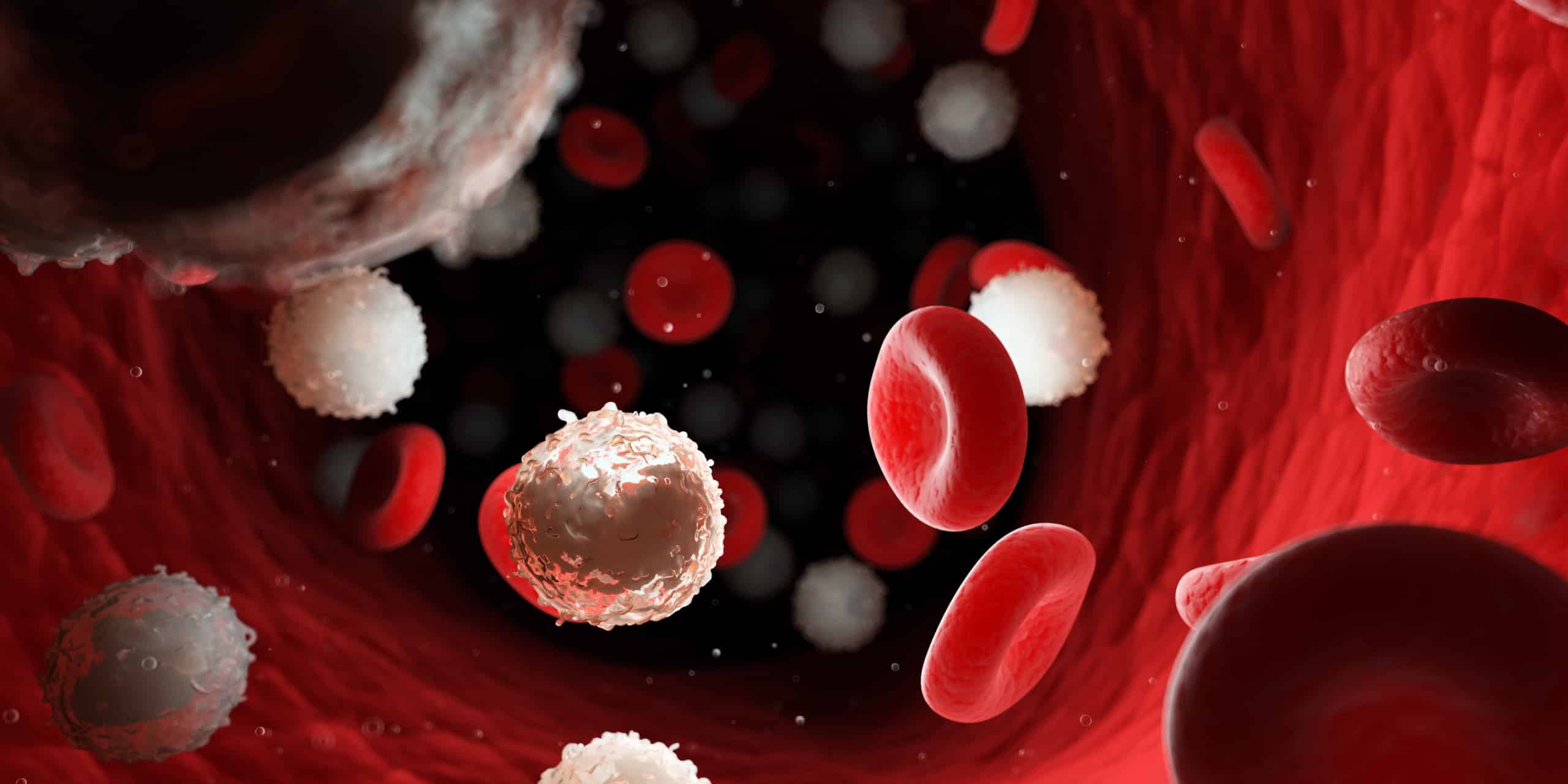
By integrating blood-based cancer testing into your practice and treatment protocols, you can strengthen patient relationships, improve outcomes and position your practice for long-term growth.
Every patient brings unique health circumstances to your chiropractic practice. While traditional chiropractic care remains foundational, many practitioners are discovering opportunities to expand their role across a variety of health concerns. This includes supporting patients who have cancer or elevated cancer risk.
For patients navigating cancer, the healthcare journey often feels fragmented and impersonal. They may receive treatment from multiple specialists but lack a healthcare practitioner who takes time to understand their complete health picture and how cancer impacts their daily life. This presents a unique opportunity for DCs to fill a critical gap in personalized cancer care.
The integration of innovative blood-based cancer testing into your practice allows you to offer these patients something truly valuable: personalized monitoring and insights that complement their oncological care. Rather than simply managing pain or mobility issues that may arise from cancer treatment, you can provide comprehensive support that includes tracking cellular changes, monitoring treatment responses and identifying emerging health patterns specific to each patient.

This approach transforms your relationship with cancer patients from episodic symptom relief to ongoing, personalized health partnership; positioning you as an essential part of their care team who delivers sophisticated cancer monitoring insights alongside your traditional chiropractic expertise.
Blood-based cancer testing: Personalizing your cancer patient care
Blood-based cancer testing provides you with detailed insights into each cancer patient’s unique cellular profile and transforms how you support patients throughout their cancer journey.
Modern testing platforms can identify cancer-specific markers, including:
• Circulating tumor cells in blood samples, enabling you to monitor cancer progression or recurrence in real-time for each individual patient, often detecting changes months before conventional cancer imaging.
• Individual immune system responses to cancer, revealing how effectively each patient’s natural defense mechanisms are fighting their specific cancer type and stage.
• Personalized treatment sensitivities, indicating which therapeutic approaches are most likely to benefit each cancer patient based on their unique tumor biology and genetic profile.
• Cancer-related cellular markers of inflammation, oxidative stress and metabolic dysfunction specific to each patient’s cancer type and treatment response.
Blood-based cancer tests support you in delivering personalized approaches to your patients battling cancer at every step. For example:
• Early detection tests can analyze gene expression profiles of peripheral blood mononuclear cells (PBMC) which occur before a tumor is even discovered.
• Circulating tumor cell (CTC) tests can help determine CTC count, phenotype markers and stemness markers in a patient’s bloodstream.
• Treatment sensitivity tests can help you analyze individual treatment sensitivities for both conventional treatments and natural substances, allowing you to tailor supportive interventions based on each patient’s unique biological response.
Transforming cancer patient relationships through personalized monitoring
The integration of blood-based cancer testing fundamentally changes how you serve cancer patients. Instead of these patients seeking care only when cancer symptoms or treatment side effects arise, personalized cancer monitoring creates multiple meaningful touchpoints, including:
Baseline cancer risk assessment: Initial testing provides educational opportunities, while establishing detailed baseline measurements specific to each patient’s cancer risk profile, helping you understand their unique predisposition and current cellular health status.
Ongoing cancer treatment monitoring: During active cancer treatment, regular blood-based monitoring creates continued engagement with your cancer patients, allowing you to celebrate improvements in their cancer markers and adjust your supportive protocols based on how their body is responding to oncological treatments.
Early cancer recurrence detection: For cancer survivors, personalized blood testing enables proactive monitoring for recurrence even before symptoms develop. Early detection of cancer recurrence can be vital in determining treatment outcomes and long-term survival.
Personalized cancer survivorship care: Identify personalized wellness opportunities specific to each survivor’s cancer type and treatment history.
Clinical implementation strategies for cancer patient care
Successfully integrating blood-based cancer testing into your cancer patient care requires thoughtful implementation focused on each patient’s unique needs:
Cancer patient education: Comprehensive cancer testing generates data that must be communicated effectively to patients already overwhelmed by their cancer diagnosis. When explaining blood-based cancer monitoring to these patients, you help them understand not just what their cancer markers mean, but how the results relate to their daily life with cancer and their long-term survivorship goals.
Treatment protocol development: Blood-based cancer testing data should inform how you support each cancer patient. When you can demonstrate that your specific chiropractic interventions are recommended based on their individual cancer test results rather than generic cancer support protocols, patient compliance improves significantly. This personalized approach sets your practice apart from conventional models.
Cancer monitoring follow-up scheduling: Establish clear monitoring schedules based on each cancer patient’s specific needs, cancer type, treatment stage and test results.
Oncology referral integration: Blood-based cancer testing often reveals changes requiring collaboration with oncologists and other specialists. Develop relationships with oncological practitioners who appreciate comprehensive cancer data and can work collaboratively within integrated cancer care models.
Building your reputation in cancer patient care
Offering sophisticated cancer testing elevates your professional standing within the community. You become known as a DC who:
• Identifies cancer-related health changes before they become symptomatic in cancer patients
• Provides cancer-specific insights that complement and enhance oncological care
• Uses evidence-based approaches to guide supportive care decisions for cancer patients
• Delivers truly personalized care throughout the cancer journey
This reputation attracts cancer patients and their families who seek comprehensive, personalized support beyond traditional oncology. These patients typically demonstrate higher compliance with recommendations and an increased likelihood of referring to other cancer patients and their families.
Building long-term cancer patient value
Blood-based cancer testing creates natural opportunities for extended relationships with cancer patients and survivors. Traditional chiropractic care for cancer patients often follows a pattern of intensive treatment during active cancer therapy followed by sporadic visits. Comprehensive cancer monitoring maintains consistent patient engagement across the entire cancer journey; from diagnosis through survivorship.
Addressing implementation concerns for cancer patient care
Many practitioners express concerns about integrating cancer-focused testing into their practice. Common concerns include:
Time investment: Comprehensive cancer testing requires additional time for result interpretation and cancer patient education. This investment pays dividends through improved relationships with cancer patients, better supportive care outcomes and increased practice differentiation in the cancer care space.
Cancer patient acceptance: While not all cancer patients will be interested in comprehensive testing, those who do tend to be highly engaged and committed to personalized cancer care. These patients may become your most loyal advocates within the cancer community.
Cost considerations: Advanced cancer testing is an investment in specialized cancer care capabilities. The return comes through enhanced cancer patient relationships, improved supportive care outcomes and practice differentiation.
Training requirements: Effective utilization of cancer-focused testing requires ongoing education and training. Blood-based cancer test providers often offer comprehensive training to ensure practitioners can effectively interpret and act on cancer test results.
Implementation timeline for cancer patient care
Successfully integrating blood-based cancer testing into your cancer patient care requires systematic planning:
Phase 1: Complete cancer-focused training and certification. Understand cancer testing capabilities and cancer patient communication.
Phase 2: Begin offering testing to select cancer patients who are most likely to benefit from personalized cancer monitoring.
Phase 3: Develop protocols for cancer result communication, follow-up scheduling specific to cancer patients and integration with oncological treatment plans.
Phase 4: Expand cancer testing offerings as experience with cancer patients grows and acceptance increases.
Phase 5: Market enhanced cancer care capabilities to attract new cancer patients and survivors seeking sophisticated, personalized support.
The future of cancer patient care in chiropractic practice
Cancer care is evolving rapidly toward personalized, precision-based approaches. DCs who embrace blood-based cancer testing now position themselves as leaders in cancer-supportive care. Those who continue with traditional approaches may find themselves at a disadvantage as cancer patients increasingly seek comprehensive, data-driven support.
“[Blood-based] tests give you the knowledge you need, so you are not blindly treating the cancer. It is important to have an expert develop the protocols and guide you along the way.” – SB, endometrial cancer survivor and chiropractic patient
Final thoughts
The integration of blood-based cancer testing into chiropractic practice is about more than just adding new services; it’s about fundamentally transforming how you serve cancer patients and building therapeutic relationships in a cancer-supportive care partnership. Enhanced cancer care capabilities pay dividends through improved cancer patient relationships, better supportive care outcomes and sustainable practice growth in the cancer care space.
The future of cancer care is personalized, proactive and precision-focused. Your cancer patients are ready for this level of personalized support. The technology is available today. The question is: Are you ready to transform your cancer patient care?
Terri Beim, ND, brings a world of knowledge and practical experience to her role. She was in clinical practice for more than 25 years and has extensive training and experience in integrative cancer care, including IPT and integrative oncology under various IRBs. She has worked extensively with all the RGCC tests and therapies as they relate to cancer. Additionally, she is Lyme literate and has widespread experience working with Q Restrain in Lyme disease and the associated co-infections. For more information, contact support@rgcc-international-northamerica.com or visit us at myrgcc.com.


