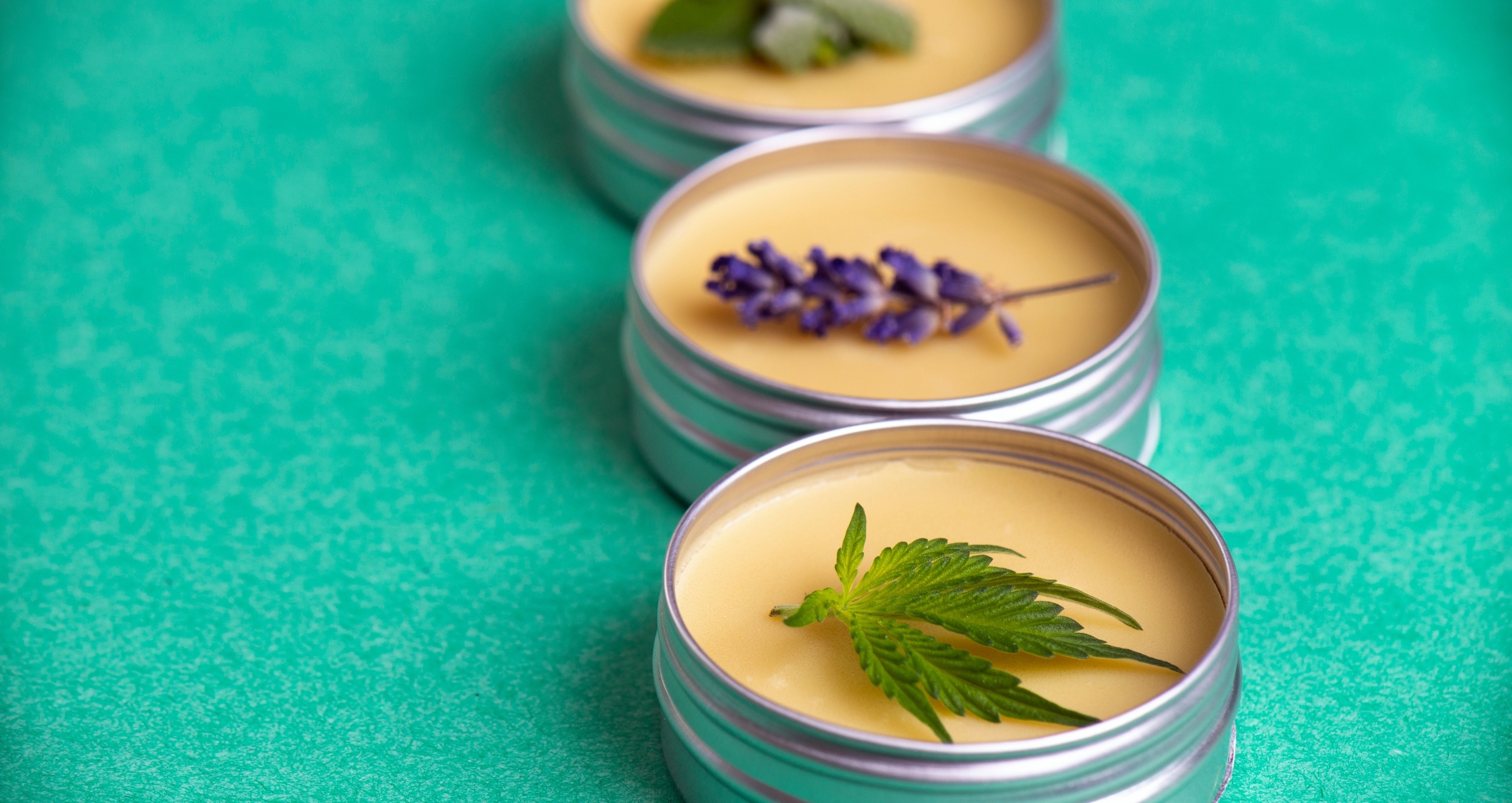

Chiropractic practices are in a uniquely strong position in an era where patients increasingly seek natural, non‑pharmaceutical strategies to heal and maintain wellness. For doctors of chiropractic committed to helping the body help itself through alignment, nerve function and holistic wellness, the addition of high‑quality cannabidiol (CBD) products offers both a clinically congruent tool and a smart, low‑friction revenue stream. At its core, chiropractic care emphasizes the body’s innate self‑healing capacity: Adjustments, movement, nutrition and lifestyle changes that support optimal function. CBD, a hemp‑derived compound that may support pain modulation, inflammation balance, stress resilience and quality sleep,1 dovetails nicely with that philosophy. You’re not simply handing patients a supplement; you’re providing an adjunct that works with their physiology rather than overriding it.
From a clinical standpoint, many patients walking into your office are already experimenting with adjunctive therapies for musculoskeletal discomfort and recovery. By offering CBD products you’ve vetted that align with your treatment philosophy, you reinforce your role as a wellness educator and guide, not just as a provider of episodic care. That builds trust, improves adherence and keeps patients engaged with your long‑term care plans.
Here’s the business reality: Your patients are probably already buying CBD. A Forbes Health survey of 2,000 US adults found 60% of respondents have tried a CBD product.2 In other words, even if your office has never stocked a single bottle, your patients are still purchasing CBD somewhere; online, at big‑box retailers or in local shops.

That means lost revenue for your practice, but more importantly, lost clinical control. When patients self‑select products without guidance, you have no say in quality, dosing, timing or how CBD fits with your overall plan of care. By proactively bringing CBD into the practice, you meet patients where they already are and turn a trend into an intentional, integrated wellness strategy.
Unfortunately, not all CBD is equal in quality. The current marketplace is crowded with products that vary widely in cannabinoid content, purity and safety. The US Food and Drug Administration (FDA) has reported mislabeling issues in some hemp‑derived products, including inaccurate CBD and THC levels and inconsistent quality control.3 For a provider concerned about patient safety and clinical outcomes, that should raise a red flag.
If patients purchase low‑quality or contaminated CBD, they may experience little benefit or, in worst‑case scenarios, unwanted side effects. From the patient’s perspective, “CBD didn’t work.” From your perspective, that’s a missed opportunity and a risk to your reputation if they perceive CBD as something you implicitly endorse. When you offer your own carefully screened product line, you can control the quality, interpret lab reports and make evidence‑informed recommendations on how and when to use it.
DCs occupy a uniquely trusted role in non‑pharmaceutical care. You’re already educating patients about spinal health, movement, ergonomics, nutrition and lifestyle. Adding CBD simply extends that conversation. Rather than sending patients to the internet or a strip‑mall retailer, you become the one‑stop resource for both care and adjunctive products.
Think of CBD not as “selling,” but as completing the clinical picture. You’re already discussing pain management, inflammation and recovery; it becomes one more tool in the kit. And because you see patients regularly, you can monitor their response over time, adjust dosing and select different formulations as needed. That continuity is something online retailers simply cannot match.
When integrating CBD into your practice, product selection matters, so make sure to take into consideration:
- Third‑party testing and certificates of analysis (COAs) for every batch, confirming cannabinoid content and screening for heavy metals, solvent residues, pesticides and microbial contaminants.
- Federal compliance with the 2018 Farm Bill definition of hemp: products containing no more than 0.3% Δ‑9 THC by dry weight.4
- Transparent sourcing and manufacturing practices with clear information about hemp origin and extraction methods.
- Formulations that match your patient population: Topicals for localized complaints, tinctures or capsules for systemic support and strengths that make dosing simple.
- Professional support, including staff training and educational materials, to help you confidently discuss CBD with patients.
When all those boxes are checked, you can confidently present CBD as a clinically aligned, legally compliant option that fits comfortably within a chiropractic wellness model.
From a practice‑management standpoint, CBD can also be a meaningful profit center. Because you are already seeing the patients and the inventory footprint is modest, added overhead is minimal. Many chiropractic‑focused CBD programs report that offices can generate several thousand dollars a month in profit once CBD is consistently integrated into recommendations and follow‑up protocols.
Consider a practice earning roughly $4,000 in monthly CBD profit. That translates to $48,000 in additional annual income without adding treatment rooms, hiring staff or planning complex new services. Instead, you are monetizing conversations and demand that already exist, while improving consistency in the products your patients already use.
Final thoughts
For DCs committed to non‑drug, body‑centric care, high‑quality CBD offers a natural extension of what you already do: Support the body’s innate ability to heal. Patients are already using it; your opportunity is to guide them toward safe, effective products and integrate those products into thoughtful care plans.
With a little planning, CBD can move from “something patients pick up at the store” to a strategically managed, clinically aligned component of your chiropractic toolbox; this shift keeps care patient‑centered, evidence‑aware and, yes, just a bit more profitable.
Joe Kryszak, MBA, is CEO of Stirling Professional and serves as an editorial advisor for Chiropractic Economics. Stirling is committed to helping DCs naturally and holistically reduce their patients’ pain and inflammation and help them sleep better. Since 2014, Stirling has grown, extracted and produced the purest CBD available. For more information, go to stirlingprofessional.com.
References
- Grinspoon P. Cannabidiol: What we know and what we don’t. Harvard Health. April 2024. https://www.health.harvard.edu/blog/cannabidiol-cbd-what-we-know-and-what-we-dont-201808242496/. Accessed November 13, 2025.
- Hall A. CBD statistics, data and use in 2025. Forbes Health. April 2022. https://www.forbes.com/health/cbd/cbd-statistics/. Accessed November 13, 2025.
- What to know about products containing cannabis and CBD. FDA Consumer Updates. March 2020. https://www.fda.gov/consumers/consumer-updates/what-you-need-know-and-what-were-working-find-out-about-products-containing-cannabis-or-cannabis. Accessed November 13, 2025.
- Farm Bill. US Department of Agriculture. June 2019. https://www.usda.gov/farming-and-ranching/farm-bill. Accessed November 13, 2025.